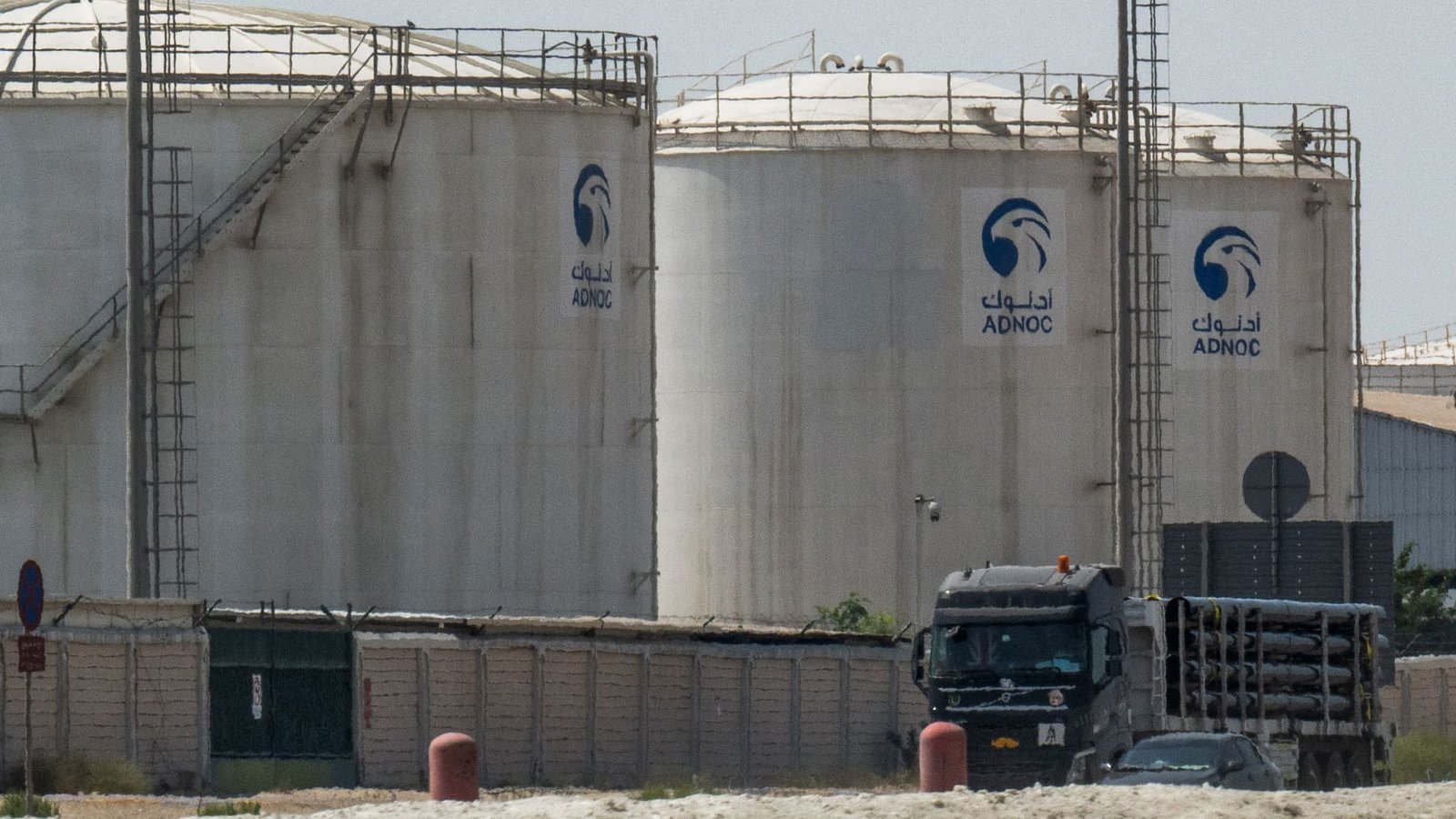
Abu Dhabi is accelerating construction of the new West-East pipeline to Fujairah as it looks to expand its oil export capacity and bypass the Strait of Hormuz chokepoint.
The project, expected to come online in 2027, will double the Abu Dhabi National Oil Company’s (ADNOC) export capacity.
The second pipeline project comes as global energy supplies remain under pressure, flows through the Strait of Hormuz are severely limited, and repeated attacks on energy infrastructure and shipping have curtailed the UAE’s ability to restore normal output.
Abu Dhabi Crown Prince Sheikh Khaled bin Mohamed bin Zayed Al Nahyan on Friday called for faster delivery of the pipeline to meet rising global energy demand.
ADNOC is “well positioned as a responsible and reliable global energy producer, with the operational flexibility to responsibly increase production to meet market needs when export constraints allow,” the Crown Prince said during a meeting of the company’s executive committee.
The Emirates announced earlier this month it would depart the producer group OPEC, of which it was a member since 1967, before the UAE was even founded. The UAE has been investing heavily via ADNOC to increase its production capacity.
Before the war, the UAE was producing just over 3 million barrels a day — broadly in line with OPEC+ targets. Abu Dhabi has targeted a capacity to produce 4.9 million BPD. Now, due to the war, the UAE is producing between 1.8 and 2.1 million barrels per day.
The Abu Dhabi Crude Oil Pipeline (Adcop) — also known as the Habshan-Fujairah pipeline — is the only existing pipeline through which the UAE can export its oil and diverge from the Strait of Hormuz. It can carry up to 1.8 million barrels.