The world is falling short of—and even reversing—its health targets, WHO warns
Malaria incidence is increasing, progress on maternal mortality is stalling, and some childhood vaccine rates are plateauing or have dipped below the threshold for herd immunity
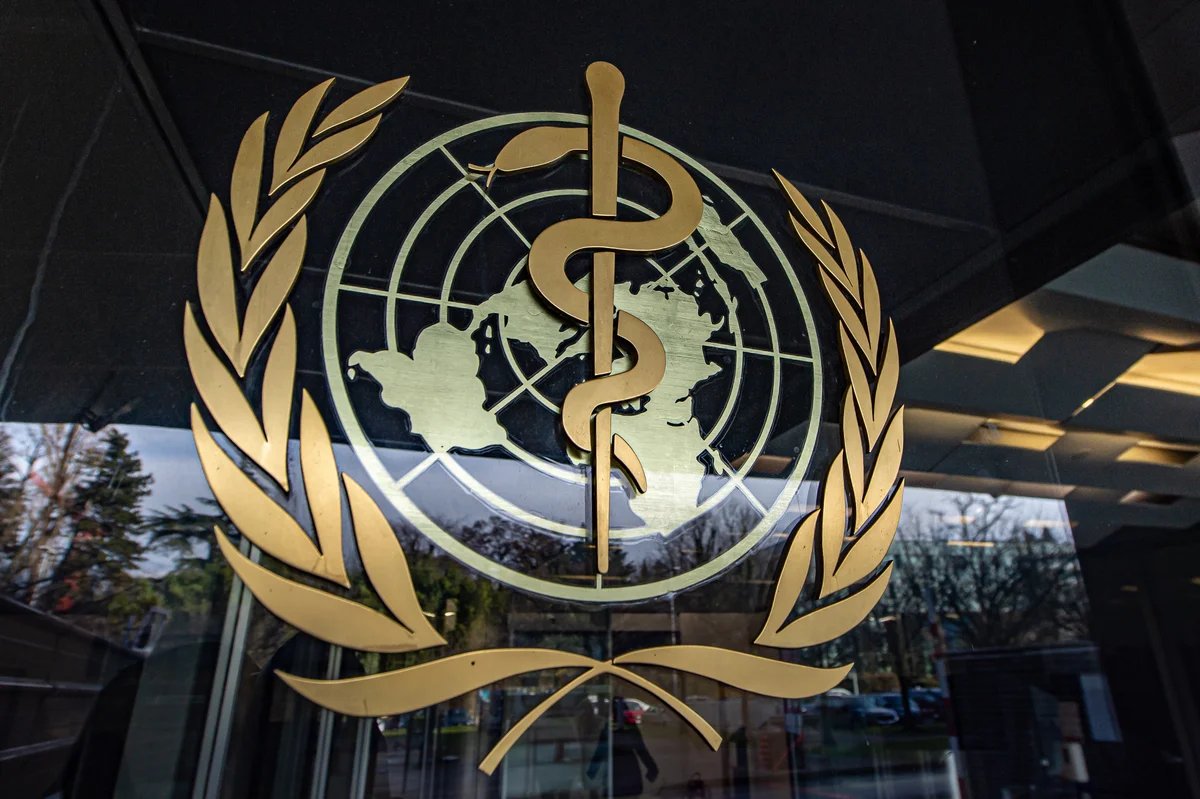
Photo by Robert Hradil/Getty Images
Global progress on health is falling short, slowing and even reversing, according to the World Health Organization’s (WHO) 2026 World Health Statistics report. The annual check-in on progress toward the United Nations’ health goals for 2030 should be “sobering,” said Yukiko Nakatani, the WHO’s assistant director-general for health systems, at a press conference on Wednesday.
Malaria incidence has increased, measles coverage remains below the threshold needed to prevent outbreaks, and maternal and child mortality decline is slowing, the report found. Excess COVID mortality between 2020 and 2023 is also far higher than official death counts suggested, according to the WHO. “We estimate approximately 22 million excess deaths globally during this period,” said Alain Labrique, the WHO’s director of digital health and innovation, at the same press conference.
The COVID pandemic completely erased nearly a decade of global gains in life expectancy and health life expectancy between 2019 and 2021, he said; these measures have somewhat rebounded, but progress has been uneven.
On supporting science journalism
If you’re enjoying this article, consider supporting our award-winning journalism by subscribing. By purchasing a subscription you are helping to ensure the future of impactful stories about the discoveries and ideas shaping our world today.
Importantly, the 2026 report includes data up to 2024, so the effect of U.S. funding cuts to foreign aid and world health initiatives, and the Trump administration’s decision to pull the U.S. from the WHO aren’t captured, said Labrique. However, he said “it’s quite likely that, should these trends continue, and we don’t see reinvigorated investment in global health, that this will have an effect on global health indicators, and … that it may continue to cause a reversal in the patterns that we worked so hard to gain.”
There are some positive points: alcohol and tobacco consumption decreased, continuing a downward trend since 2010. New HIV infections have fallen by 40 percent since 2010, and rates of neglected tropical diseases—a group of 21 infections such as dengue fever or leprosy—also fell.
WHO officials stressed that the data are incomplete. Some countries don’t report data as frequently or completely as others, and funding cuts also endanger data collection. Cuts to foreign health aid in the wake of the pandemic, too, have also disrupted surveillance systems, said Nakatani.
The report comes just days before the World Health Assembly, the annual meeting of the WHO’s decision-making body that sets the organization’s priorities and policies for the coming year.
“We need stronger health systems, sustained investment and better quality of data,” Nakatani said. “The report is an urgent reminder for member states and all health partners together, we must refocus efforts, safeguard hard won gains and renew progress.”
It’s Time to Stand Up for Science
If you enjoyed this article, I’d like to ask for your support. Scientific American has served as an advocate for science and industry for 180 years, and right now may be the most critical moment in that two-century history.
I’ve been a Scientific American subscriber since I was 12 years old, and it helped shape the way I look at the world. SciAm always educates and delights me, and inspires a sense of awe for our vast, beautiful universe. I hope it does that for you, too.
If you subscribe to Scientific American, you help ensure that our coverage is centered on meaningful research and discovery; that we have the resources to report on the decisions that threaten labs across the U.S.; and that we support both budding and working scientists at a time when the value of science itself too often goes unrecognized.
In return, you get essential news, captivating podcasts, brilliant infographics, can’t-miss newsletters, must-watch videos, challenging games, and the science world’s best writing and reporting. You can even gift someone a subscription.
There has never been a more important time for us to stand up and show why science matters. I hope you’ll support us in that mission.