To the people of Tenerife,
My name is Tedros, and I serve as the Director-General of the World Health Organization, the United Nations agency responsible for global public health. It is not common for me to write directly to the people of a single community, but today I feel it is not only appropriate, it is necessary.
I want to speak to you directly, not through press releases or technical briefings, but as one human being to another, because you deserve that.
I know you are worried. I know that when you hear the word “outbreak” and watch a ship sail toward your shores, memories surface that none of us have fully put to rest. The pain of 2020 is still real, and I do not dismiss it for a single moment.
But I need you to hear me clearly: this is not another COVID. The current public health risk from hantavirus remains low. My colleagues and I have said this unequivocally, and I will say it again to you now.
The virus aboard the MV Hondius is the Andes strain of hantavirus. It is serious. Three people have lost their lives, and our hearts go out to their families. The risk to you, living your daily life in Tenerife, is low. This is the WHO’s assessment, and we do not make it lightly.
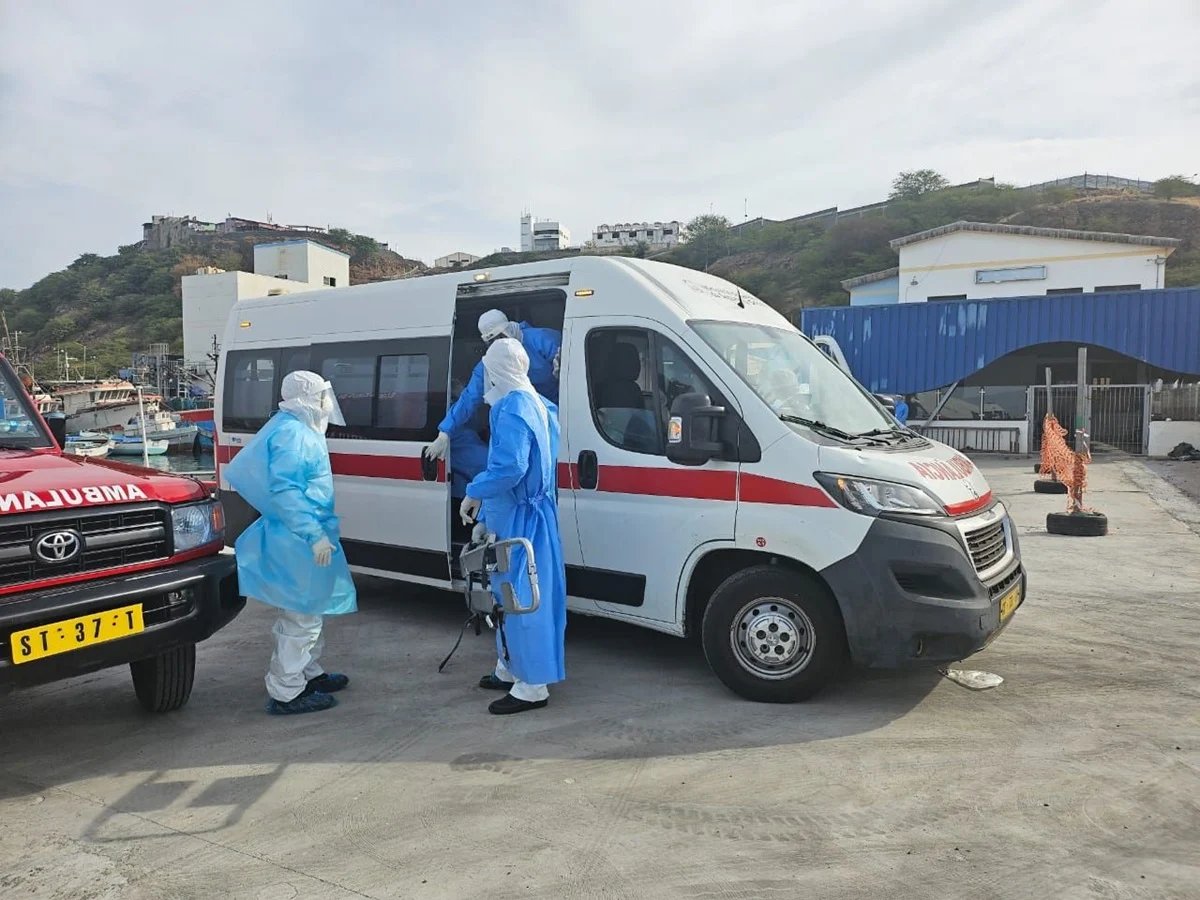
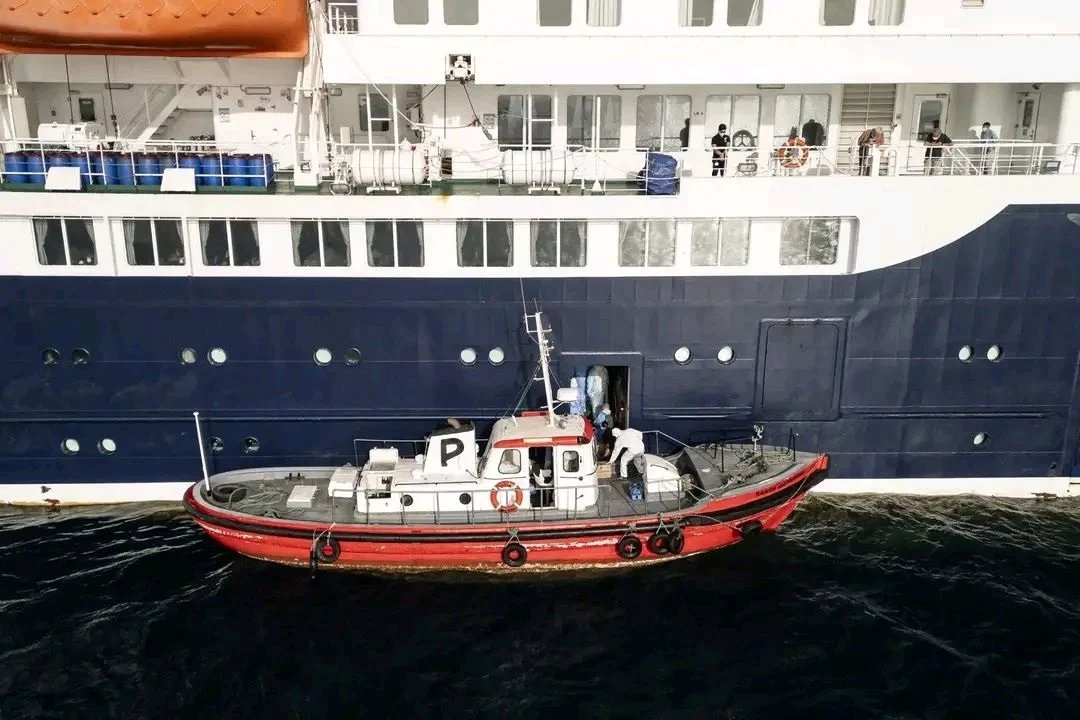
Right now, there are no symptomatic passengers on board. A WHO expert is on that ship. Medical supplies are in place. Spain’s authorities have prepared a careful, step-by-step plan: passengers will be ferried ashore at the industrial port of Granadilla, far from residential areas, in sealed, guarded vehicles, through a completely cordoned-off corridor, and repatriated directly to their home countries. You will not encounter them. Your families will not encounter them.
I also want to say something else, something that goes beyond the science.
I personally thanked Prime Minister Sanchez for Spain’s decision to receive this ship. I called it an act of solidarity and moral duty. Because that is what it is. I want you to know that the WHO’s request to Spain was not made arbitrarily. It was made in full accordance with the International Health Regulations, the legally binding framework that defines the rights and obligations of countries and the WHO when responding to public health events of international concern. Under those rules, the nearest port with sufficient medical capacity must be identified to ensure the safety and dignity of those on board. Tenerife met that standard. Spain honoured it. Nearly 150 people from 23 countries have been at sea for weeks, some of them grieving, all of them frightened, all of them longing for home. Tenerife has been chosen because it has the medical capacity, the infrastructure, and the humanity to help them reach safety.
And because I believe that so deeply, I will be there myself. I intend to travel to Tenerife to observe this operation firsthand, to stand alongside the health workers, port staff, and officials who are making it happen, and to personally pay my respects to an island that has responded to a difficult situation with grace, solidarity, and compassion. Your humanity deserves to be witnessed, not just acknowledged from a distance.
As I have said many times: viruses do not care about politics, and they do not respect borders. The best immunity any of us has is solidarity.
Tenerife is demonstrating that solidarity today. The ship’s captain, Jan Dobrogowski, crew and the company operating the vessel have shown exemplary collaboration at this challenging time. On behalf of the World Health Organization, and on behalf of those passengers and their families around the world, I thank the people of Tenerife and everyone else involved.
Please take care of yourselves and of each other. Trust in the preparations that have been made. And know that the WHO stands with you, and with every person on that ship, every step of the way.
With respect, care, and gratitude,
Tedros
Dr Tedros Adhanom Ghebreyesus
Director-General, World Health Organization