A Mexico City nightclub has gone viral for charging Americans a nearly $300 cover charge, while citizens from any other country pay just $20 for access, and Mexicans and other Latin Americans pay only $14.
The Instagram announcement from the nightclub Japan in the Roma Norte neighborhood has been liked over 26,000 times and received more than 200 comments, mostly supporting the policy as part of a broader revolt in the capital against what many see as a US takeover.
“It’s not that ‘we charge gringos more’ it’s that we offer discounts to people that need it,” the club said in its cheeky Instagram post. “The cover charge is $5,000 [pesos]. Citizens of the USA don’t get a discount.”
The post goes on to say that citizens from any other country get a 93% discount, Mexicans and Latin Americans get 95% off, and students and teachers get a 97% discount, paying just 150 pesos for access to the nightclub.
The club’s owner, Federico Crespo, said the tiered pricing was a reflection of deteriorating Mexico-US relations under Donald Trump.
“This is a response to a year of insults directed at us – as a country – by the United States,” he said. “It’s very much a response to the many attacks against Mexico from Trump.”
However, Crespo said the cover charge system was also a response to the “gentrification and touristification” of the city.
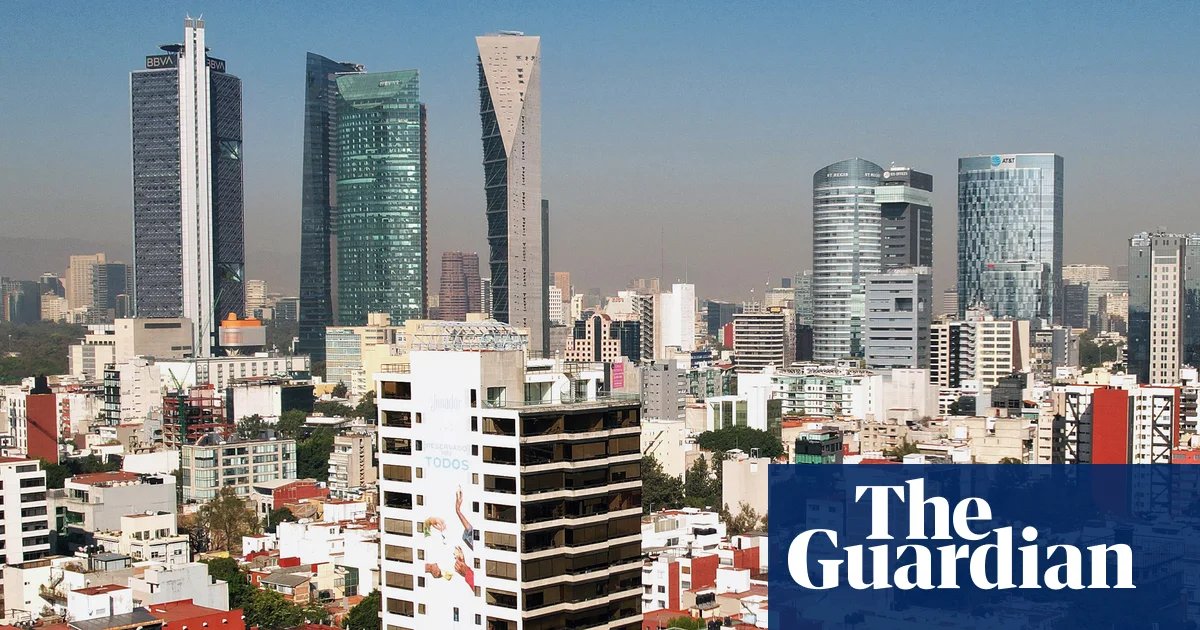
The nightclub’s post is part of a general backlash in Mexico City against what many see as an invasion of Americans and other foreigners in trendy neighborhoods such as Roma and Condesa, driving up prices and displacing locals.
Last year, protesters took to the streets in a furious march that at points turned violent, with marchers dressed in black smashing windows of local businesses. Afterwards, the streets were littered with broken glass, the walls covered with furious graffiti: “Get out of Mexico.”
While Mexico City has long been a popular spot for American visitors, there was a noticeable increase during the coronavirus pandemic, when many from the US took advantage of “work from home” policies to flock to the Mexican capital where rents were far more affordable.
The result of this rise in so-called “digital nomads” has been a proliferation of Airbnbs, soaring rents in desirable neighborhoods and a general shift in the urban environment: in some areas of Mexico City, English is heard as much as Spanish.
The trend reflects similar tendencies around the world, in cities such as Barcelona, Genoa and Lisbon which are also popular with digital nomads. Local people complain that new arrivals are taking advantage of cheaper living conditions, often not paying local taxes and eroding their communities.
Crespo said the extra money from the cover charges was distributed among workers at Japan.
“It’s a way to give that money to the people most affected by this issue: rising rents, the soaring cost of living and the need to commute longer distances to get to work. By giving the workers the money collected from cover charges, we help them out a little bit.”