
Babies may ‘catch’ yawns from their mother in the womb, new study finds
Researchers found that fetuses were more likely to yawn when their mother did, suggesting humans may experience yawn contagion throughout their life
Peter Dazeley/Getty Images
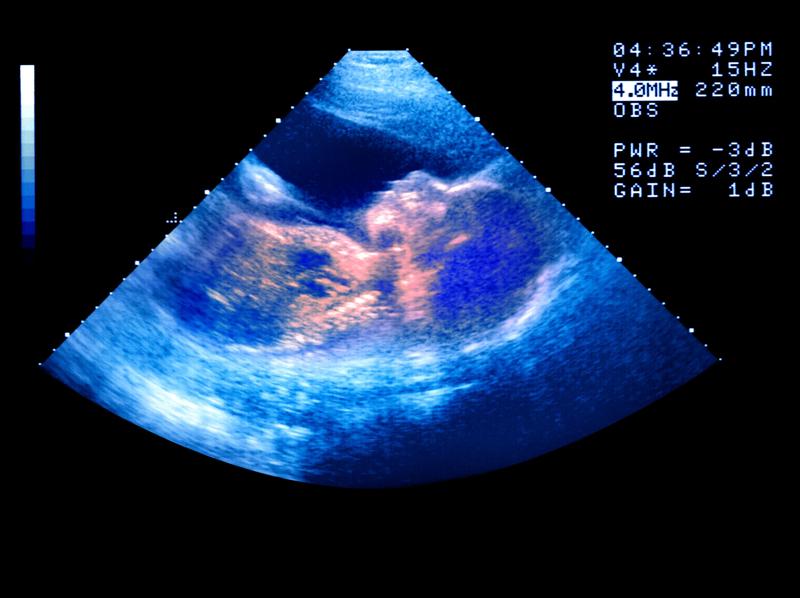
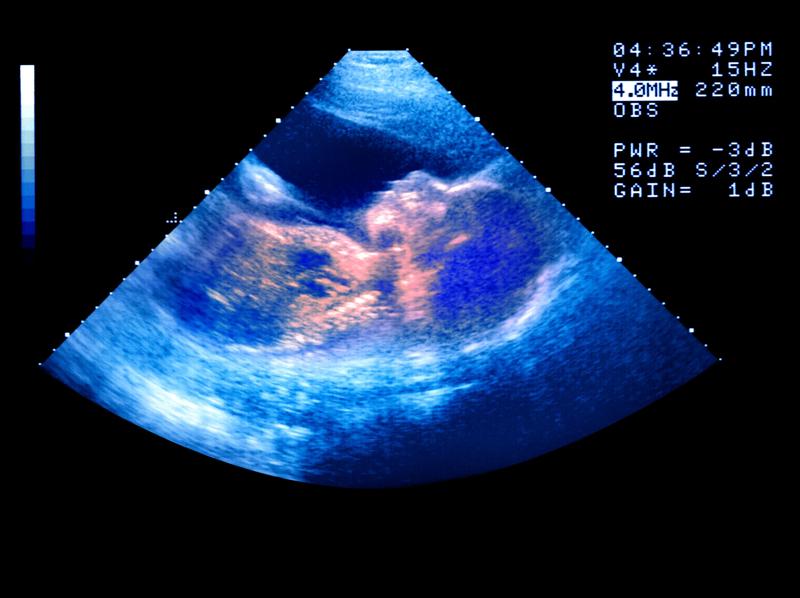
Babies may be able to sense their mother yawning while they are in the womb, a new study suggests. The findings clarify how fetuses respond to cues from their mother and her external environment early in development.
Existing evidence shows that while in the womb, babies develop the ability to hear and react to internal and external sounds, taste flavors in their mother’s diet, and feel and respond to external touch. At later stages of development, fetuses can also move around, hiccup and yawn—an experience that any pregnant person will tell you feels weird but that also has important developmental implications.
In the new study, the researchers wanted to find out if human fetuses can “catch” yawns from their mother, just as people cause one another to yawn outside the womb. Yawns are physiological responses to tiredness, but they are socially contagious—when we see or hear a person nearby yawn, we tend to yawn, too, regardless of how tired we are. To that end, the team examined 38 pregnant women and found that when the participants yawned, their fetuses tended to yawn soon after; women who yawned more also carried fetuses that yawned more.
On supporting science journalism
If you’re enjoying this article, consider supporting our award-winning journalism by subscribing. By purchasing a subscription you are helping to ensure the future of impactful stories about the discoveries and ideas shaping our world today.
“These findings challenge the view of fetal behavior as purely reflexive or entirely self-contained,” the authors write in the study. Instead the results suggest that fetuses’ behavior reflects the “biological context” they share with their mother, the researchers write.
It’s possible that fetuses develop this yawn response as part of their broader social and attentional growth, the researchers argue. The findings, published on Tuesday in Current Biology, could help reveal how maternal behavior shapes social development both in the womb and after birth.
It’s Time to Stand Up for Science
If you enjoyed this article, I’d like to ask for your support. Scientific American has served as an advocate for science and industry for 180 years, and right now may be the most critical moment in that two-century history.
I’ve been a Scientific American subscriber since I was 12 years old, and it helped shape the way I look at the world. SciAm always educates and delights me, and inspires a sense of awe for our vast, beautiful universe. I hope it does that for you, too.
If you subscribe to Scientific American, you help ensure that our coverage is centered on meaningful research and discovery; that we have the resources to report on the decisions that threaten labs across the U.S.; and that we support both budding and working scientists at a time when the value of science itself too often goes unrecognized.
In return, you get essential news, captivating podcasts, brilliant infographics, can’t-miss newsletters, must-watch videos, challenging games, and the science world’s best writing and reporting. You can even gift someone a subscription.
There has never been a more important time for us to stand up and show why science matters. I hope you’ll support us in that mission.

