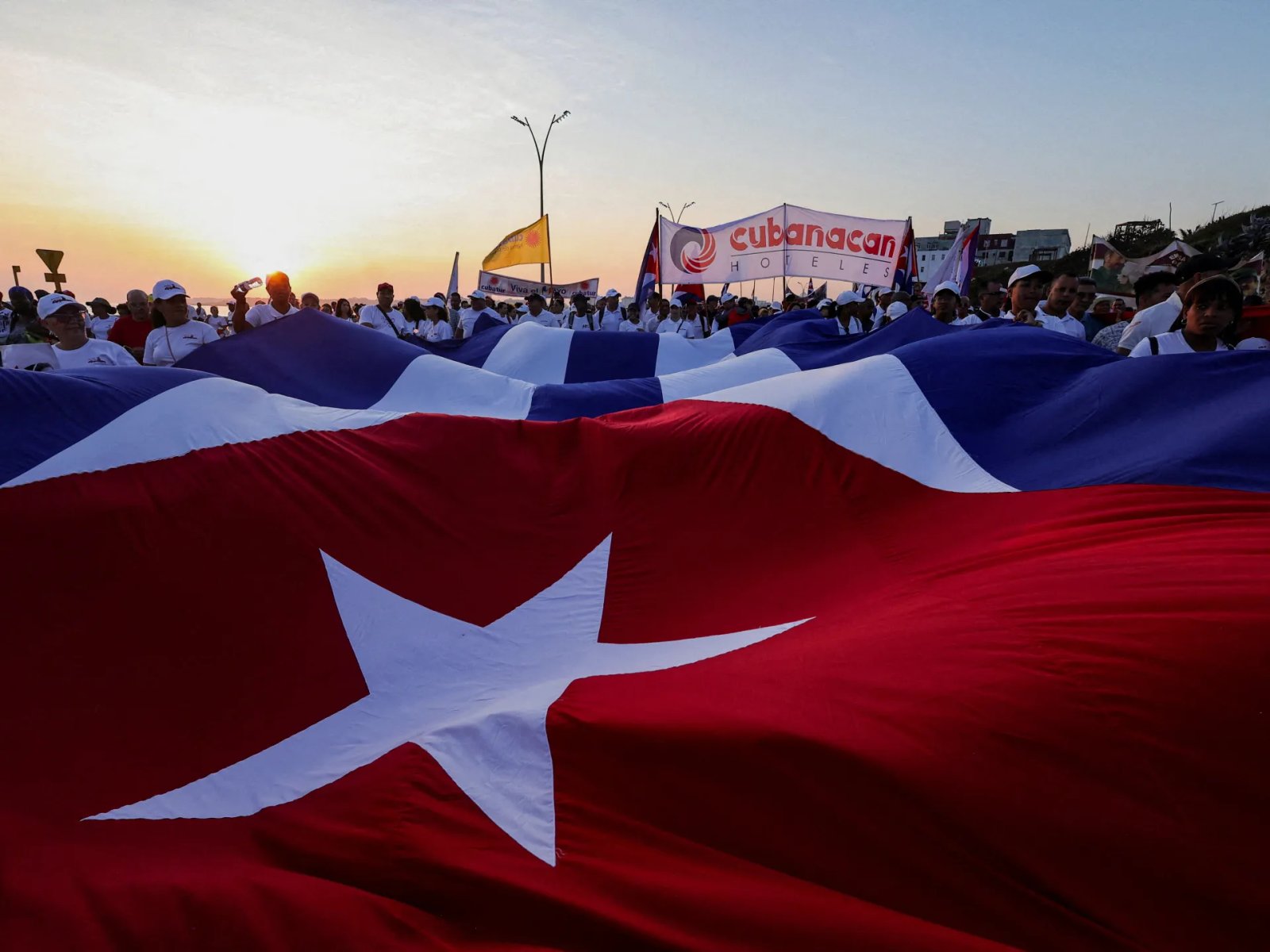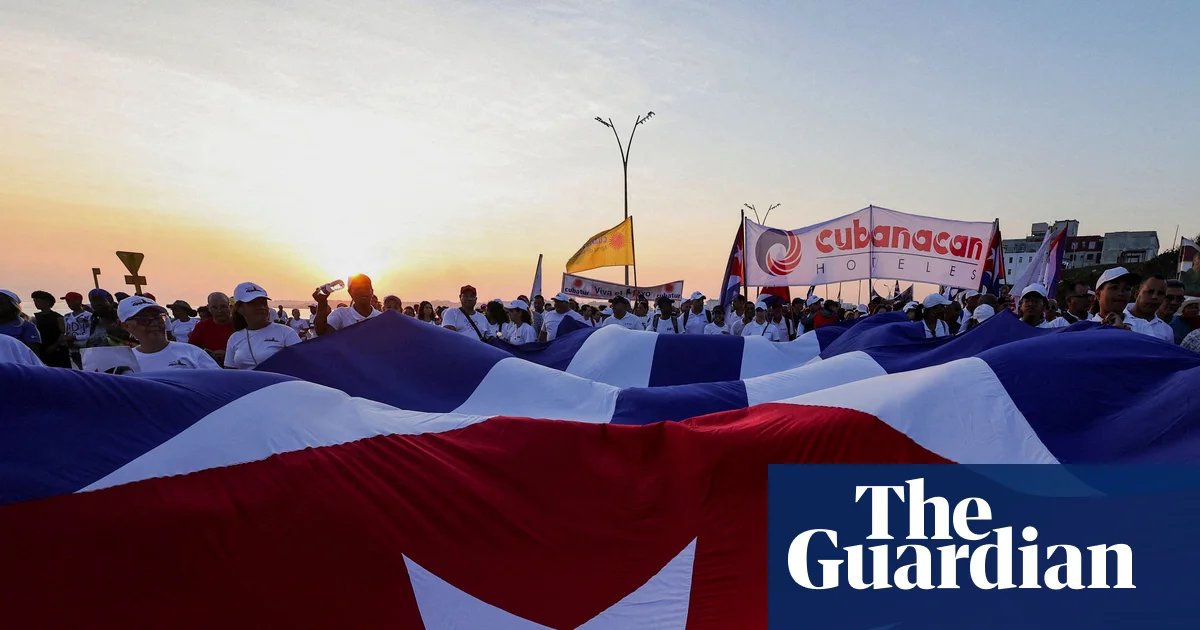
Cuba’s government has said new sanctions imposed on the island by Donald Trump amounted to “collective punishment”, as an enormous 1 May procession outside the American embassy in Havana vowed to “defend the homeland”.
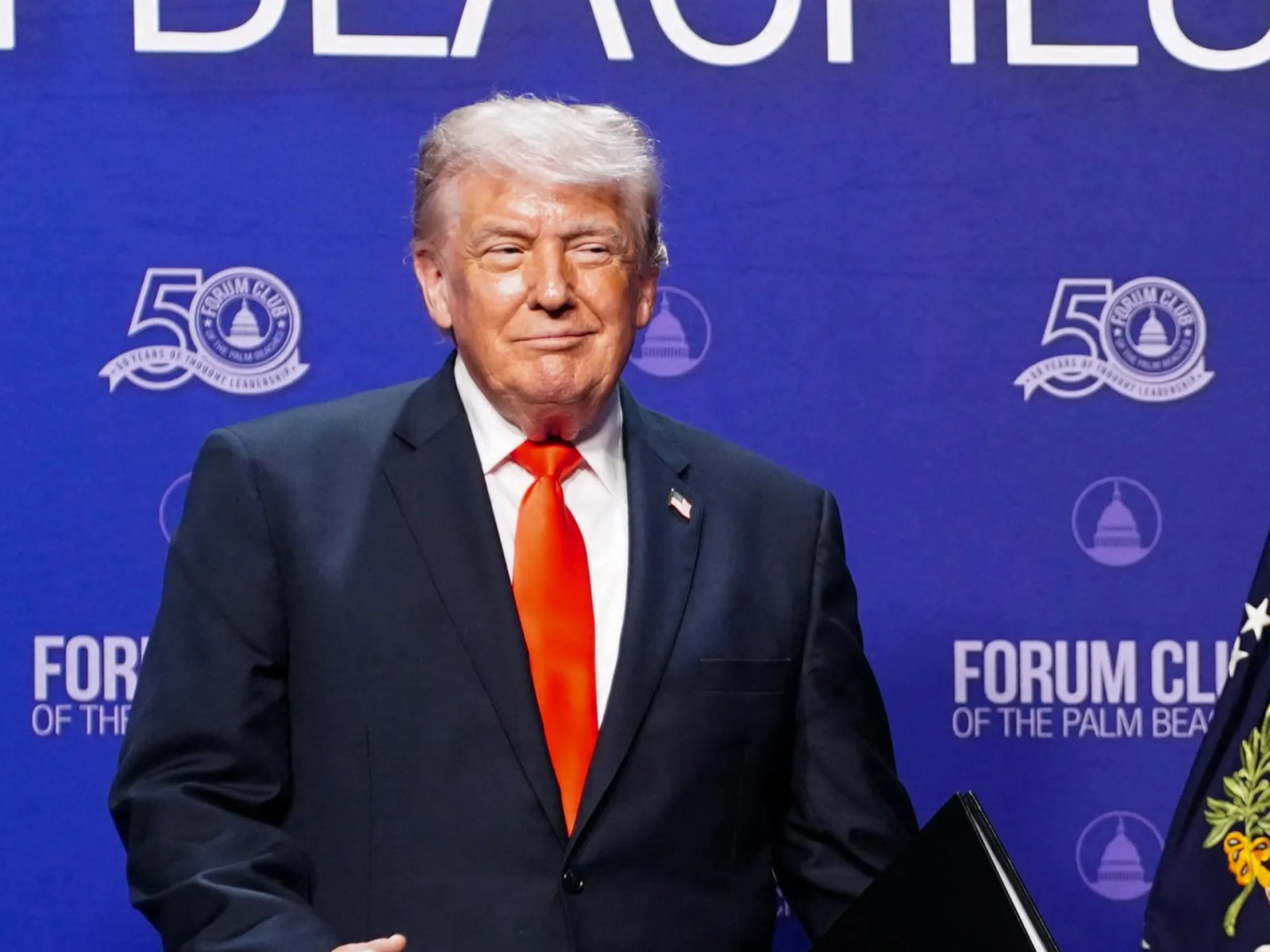
In an executive order on Friday, the US president said he would impose sanctions on people involved in broad sections of the Cuban economy, as he seeks to put more pressure on Havana after ousting Venezuela’s leader, Nicolás Maduro, earlier this year.
The latest sanctions constituted “collective punishment” of the nation’s people, said Cuba’s foreign minister, Bruno Rodriguez. “We firmly reject the recent unilateral coercive measures adopted by the #UnitedStates government,” he posted on X in English.
Trump has mused about taking over Cuba, which lies 145km from Florida and has been under a nearly continuous US trade embargo since Fidel Castro led a communist revolution in 1959.
On Friday, Trump used a speech in Florida to again suggest the US could launch operations against Cuba.
“On the way back from Iran, we’ll have one of our big – maybe the USS Abraham Lincoln aircraft carrier, the biggest in the world, we’ll have that come in, stop about 100 yards offshore and they’ll say, ‘Thank you very much. We give up.’”
The economic situation has worsened for Cuba since Washington imposed a fuel blockade in January, with only one Russian oil tanker making it through since then. Supply shortages and power cuts have become the norm, and tourism – once Cuba’s most lucrative industry – has plummeted.
Trump’s Friday order targets people known to “operate in or have operated in the energy, defence and related materiel, metals and mining, financial services or security sector of the Cuban economy, or any other sector of the Cuban economy”, as well as Cuban officials judged to have engaged in “serious human rights abuses” or corruption.
Jeremy Paner, a former sanctions investigator at the US Treasury’s office of foreign assets control, said the move was the most significant one for non-American companies since the US embargo against Cuba began decades ago.
“Oil and gas, mining companies and banks that have carefully segregated their Cuba operations from the United States are no longer protected,” said Paner, who is now a partner at Hughes Hubbard + Reed, a law firm.
Friday’s sanctions come despite moves toward dialogue between the two countries, with senior US officials visiting the island for talks in April.
The US has long demanded Cuba open up its state-run economy, pay reparations for properties expropriated by the government of former leader Fidel Castro and hold “free and fair” elections. Cuba has said its form of socialist government is not up for negotiation.
Friday’s fresh measures took effect during 1 May celebrations that saw huge crowds in Havana march to the US embassy under the slogan “Defend the Homeland”. The march was led by the Cuban president, Miguel Diaz-Canel, and former revolutionary leader Raúl Castro.
The day before, Diaz-Canel had called on Cubans to mobilise “against the genocidal blockade and the crude imperial threats to our country”, referring to US actions and rhetoric.
With Agence France-Presse and Reuters