Published On 26 Apr 2026
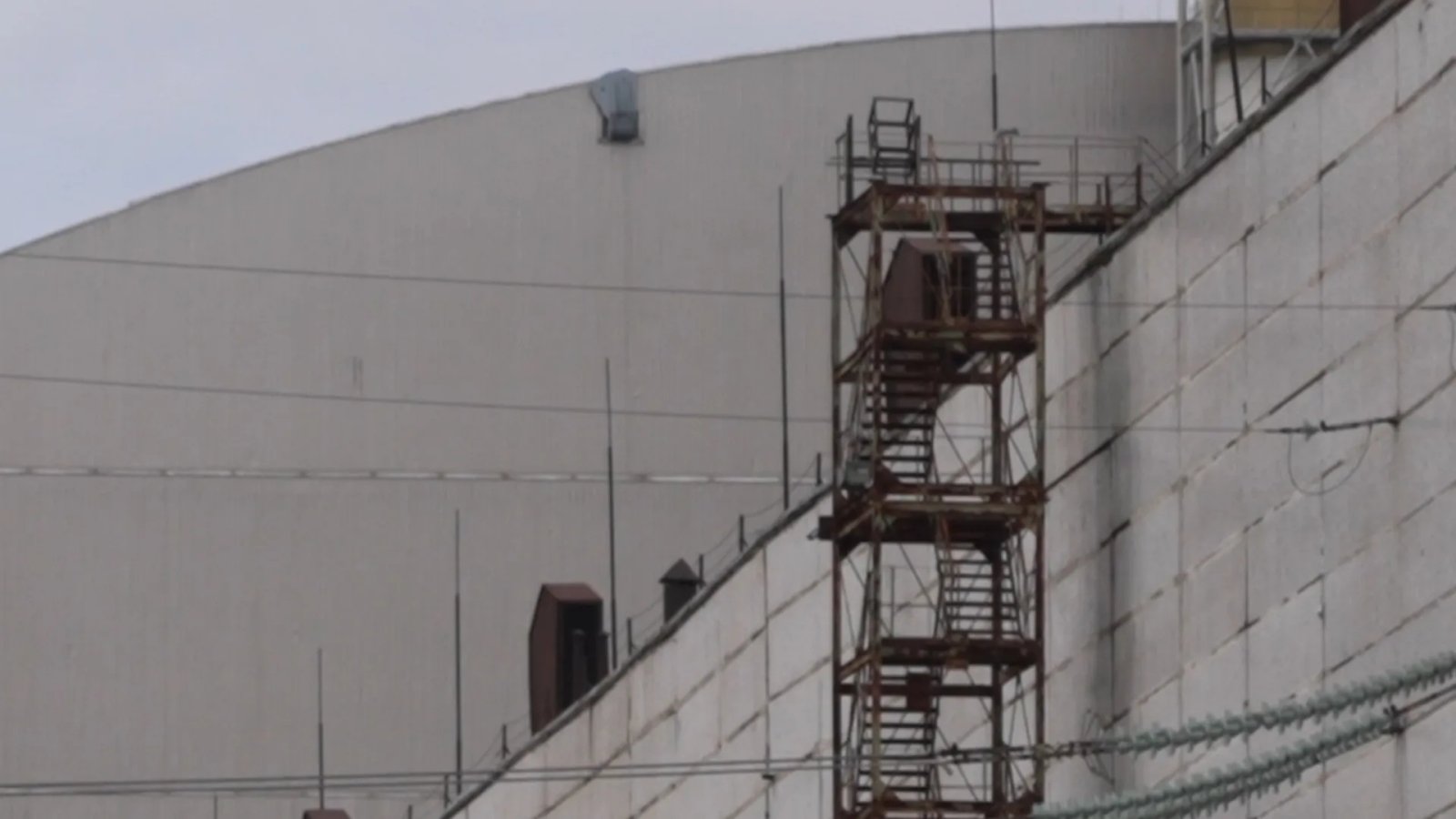
Ukraine is marking 40 years since the explosion at the Chornobyl Nuclear Power Plant, the world’s worst civilian nuclear disaster, with survivors of the cleanup operation returning to the site amid renewed debate over its human and environmental toll.
At 01:23 on April 26, 1986, a botched safety test triggered a catastrophic blast in reactor four at the Chornobyl plant in northern Ukraine, then part of the Soviet Union.
The explosion tore through the building and sent an enormous plume of radioactive smoke into the atmosphere.
Nuclear fuel burned for more than 10 days as helicopters dumped thousands of tonnes of sand, clay and lead in a desperate bid to smother the fire.
The International Atomic Energy Agency (IAEA) later blamed “severe deficiencies in the design of the reactor and the shutdown system” as well as violations of operating procedures.
Radiation heavily contaminated large areas of Ukraine, Belarus and Russia, before spreading across Europe.
About 600,000 “liquidators”- soldiers, firefighters, engineers, miners and medics – were mobilised from across the Soviet Union over the next four years to contain and clean up the disaster.
Their tasks ranged from flying above the exposed core to wash and seal it, to scrubbing radioactive dust from buildings and roads, burying poisoned machinery, clearing forests and even hunting animals to slow the spread of contamination.
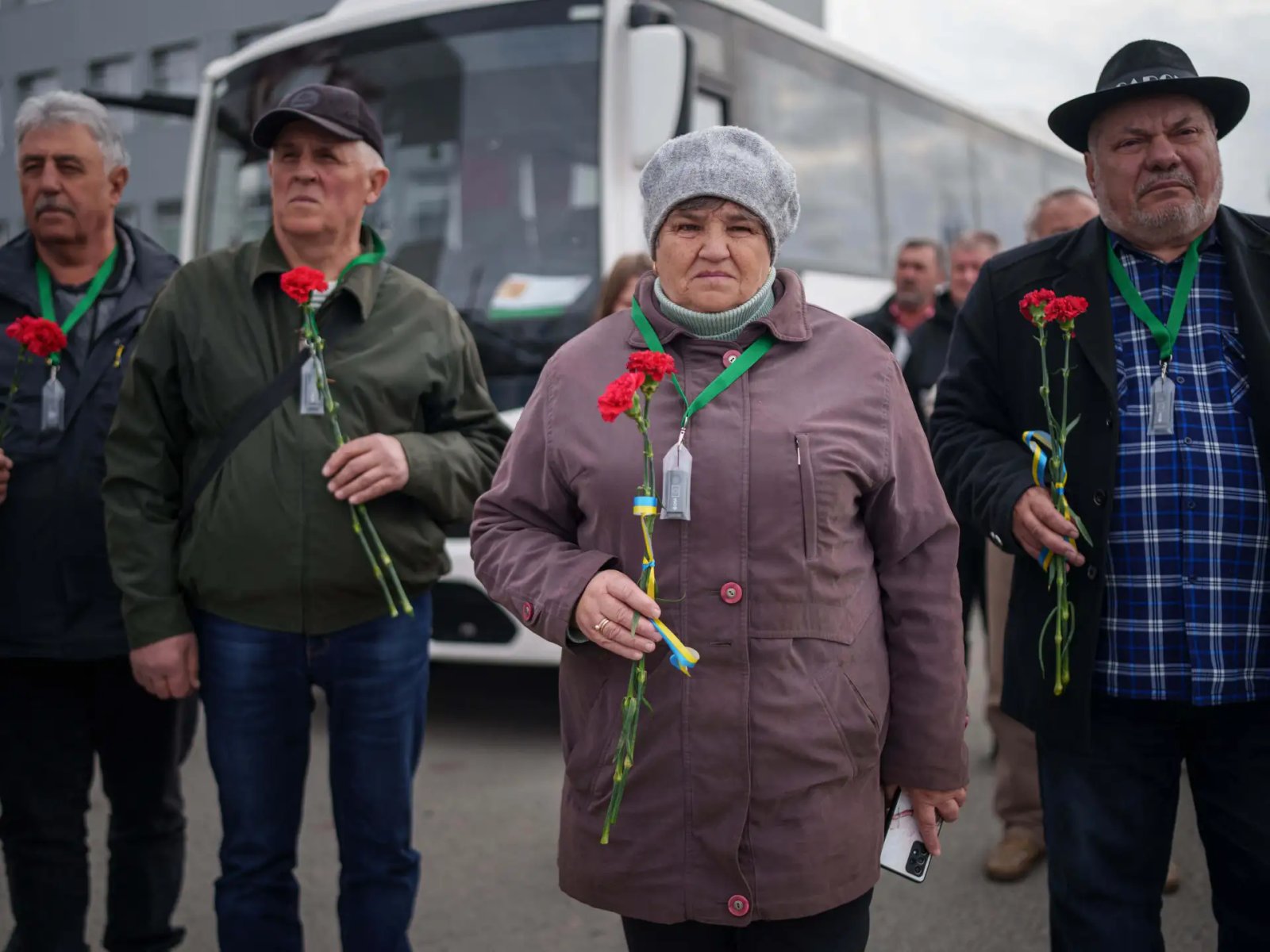
Many had little understanding of the dangers they faced. Before the anniversary, a group of liquidators from Ukraine’s Poltava region returned to Chornobyl – or Chornobyl in Ukrainian – for a day’s visit to the site where they once worked in hastily issued uniforms and improvised protective gear.
They spoke of duty carried out without hesitation, the loss they endured, and of a catastrophe that continues to haunt Ukraine.
The nearby city of Pripyat, once home to 48,000 people, remains a decaying ghost town inside an exclusion zone, spanning thousands of square kilometres in northern Ukraine and neighbouring Belarus.
Once open to tourists, the area has been closed since Russia’s invasion in 2022, leaving nature to reclaim the landscape and rare species, such as endangered Przewalski’s horses, to roam among the ruins.