See NASA’s Artemis II mission’s first incredible photos of the moon, Earth and a total solar eclipse
The first images from NASA’s Artemis II mission’s lunar flyby were worth the wait
NASA has launched four astronauts on a pioneering journey around the moon—the Artemis II mission. Follow our coverage here.
You’ve never seen the moon like this before.
On Monday NASA’s Artemis II mission flew around the moon, marking the first time humans have seen several parts of its surface up close. And on Tuesday NASA started sharing the incredible photographs taken by NASA astronauts Reid Wiseman, Victor Glover, and Christina Koch and Canadian Space Agency astronaut Jeremy Hansen during that flyby—and they were worth the wait.
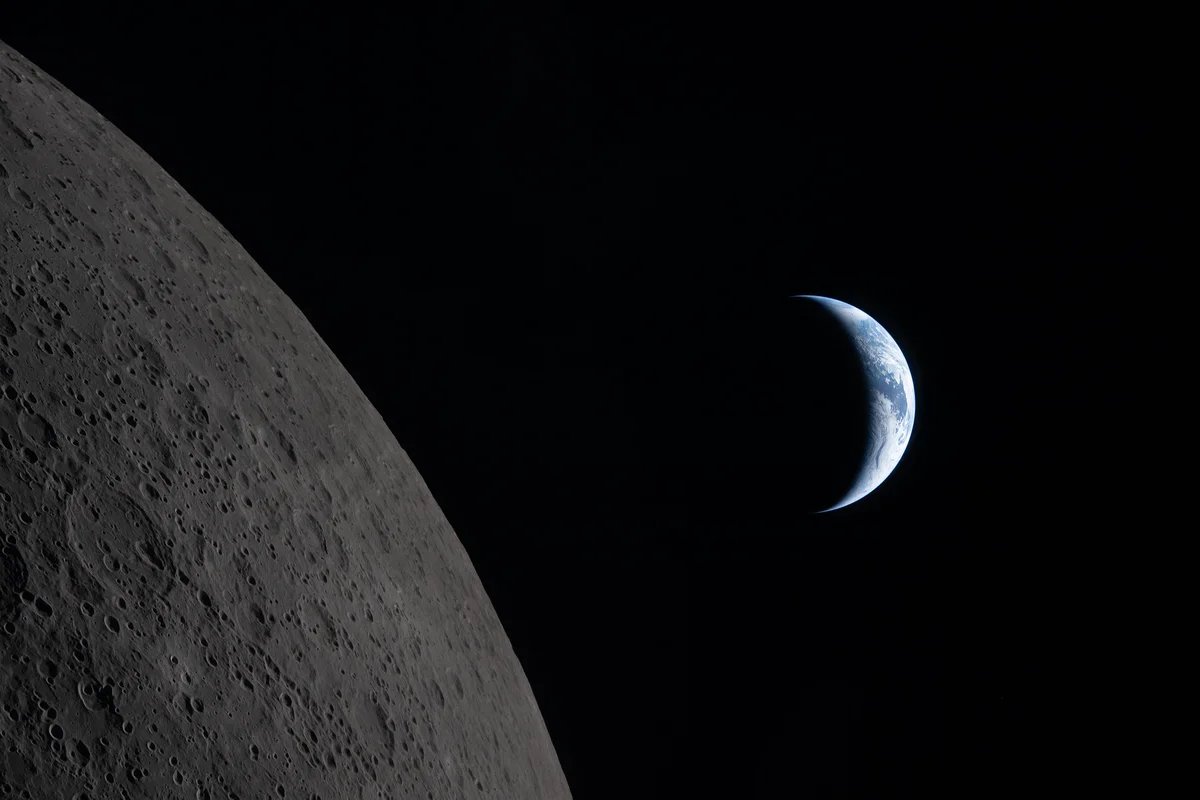
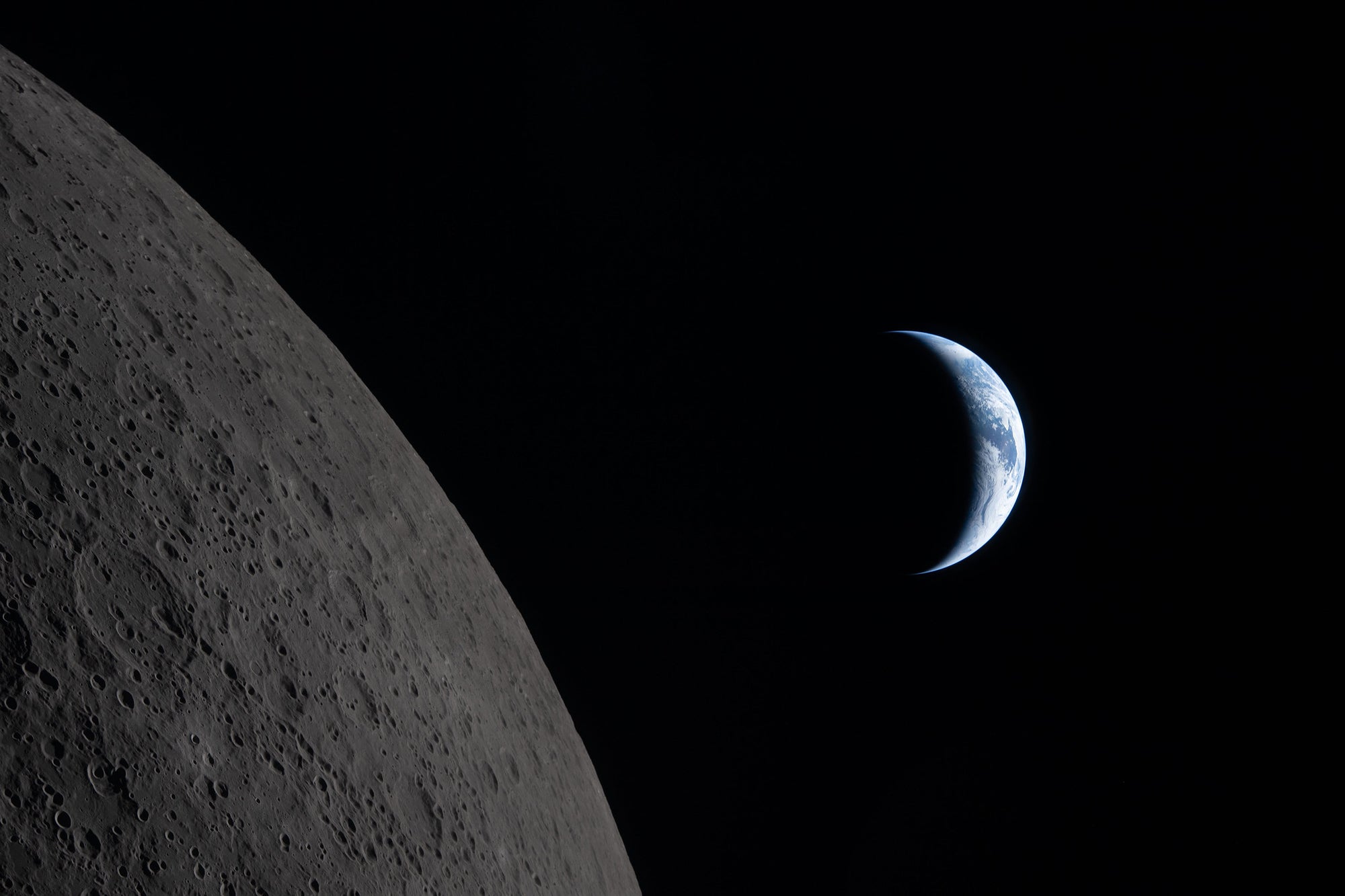
First to drop was a stunning “Earthset” image, a nod to the iconic “Earthrise” photograph captured by the crew of Apollo 8 as they rounded the moon for the first time in human history in 1968.
On supporting science journalism
If you’re enjoying this article, consider supporting our award-winning journalism by subscribing. By purchasing a subscription you are helping to ensure the future of impactful stories about the discoveries and ideas shaping our world today.
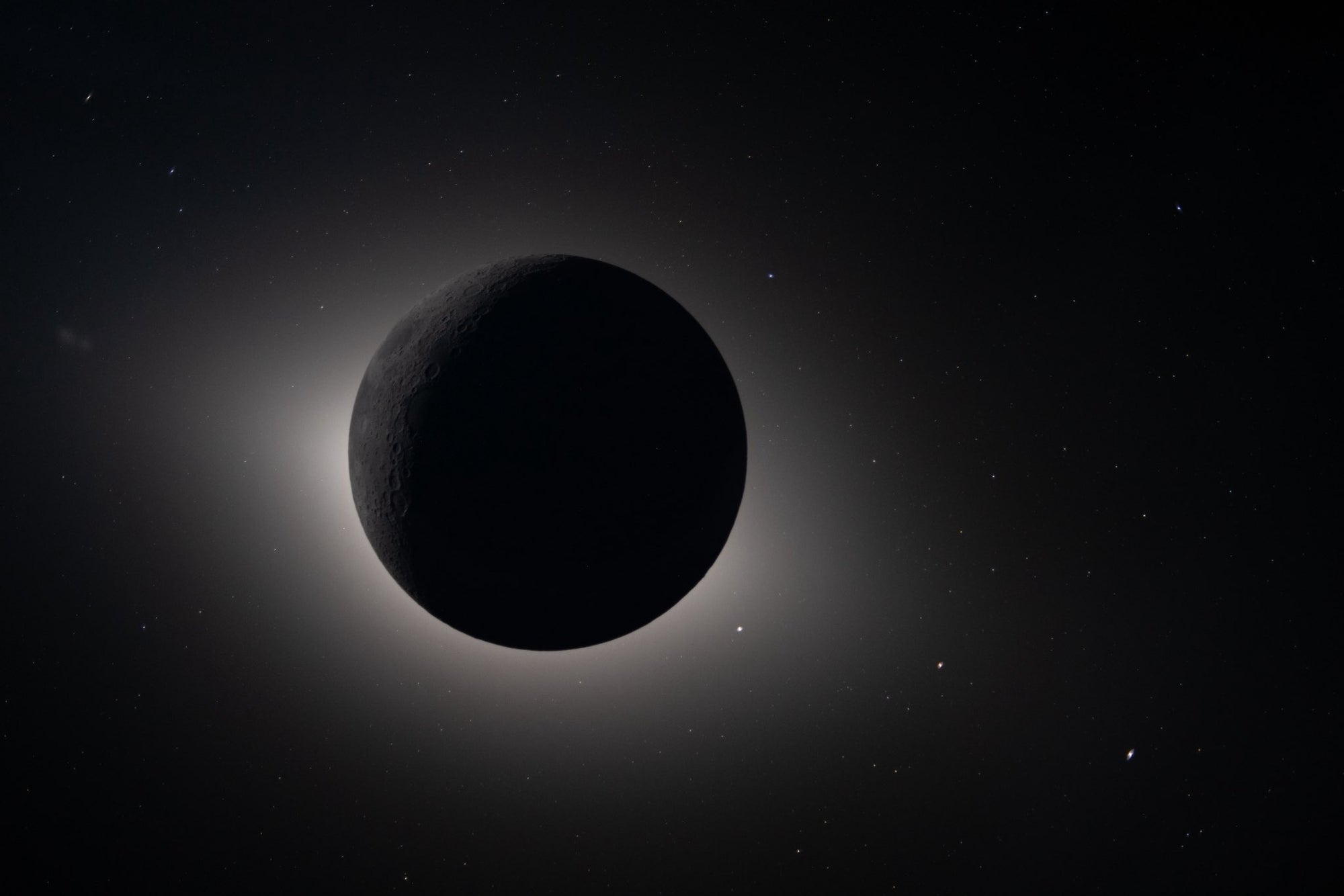
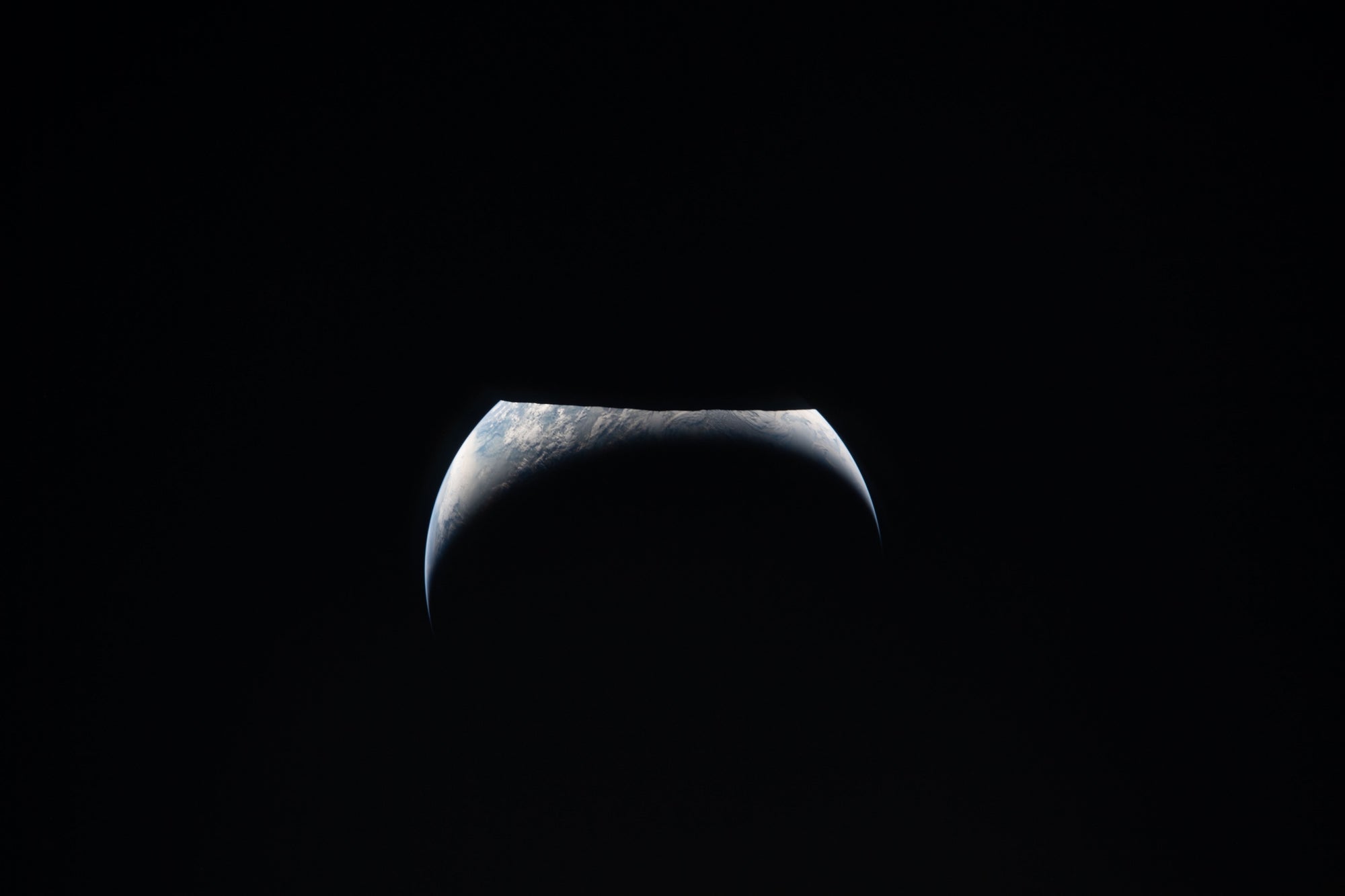
Then there was a sight no human had ever seen before: the spectacle of a total solar eclipse from just a few thousand miles away from the moon’s surface. The event left the astronauts awed. “It’s just, it’s indescribable. No matter how long we look at this, our brains are not processing this image in front of us,” Wiseman said at the time. “It is absolutely spectacular, surreal. There’s no adjectives. I’m going to need to invent some new ones to describe what we are looking at out this window.” Now the rest of us have a first hint of what that moment was like.
Then, of course, there was the moon itself in all its cratered glory. The astronauts had been particularly entranced by the moon’s terminator—the line where light and dark meet—and the way it made the lunar topography seem to come alive. “The terminator is really bringing out the shadows and the hills and the valleys, and it is just,” Hansen said during the flyby, “it’s unbelievable.”
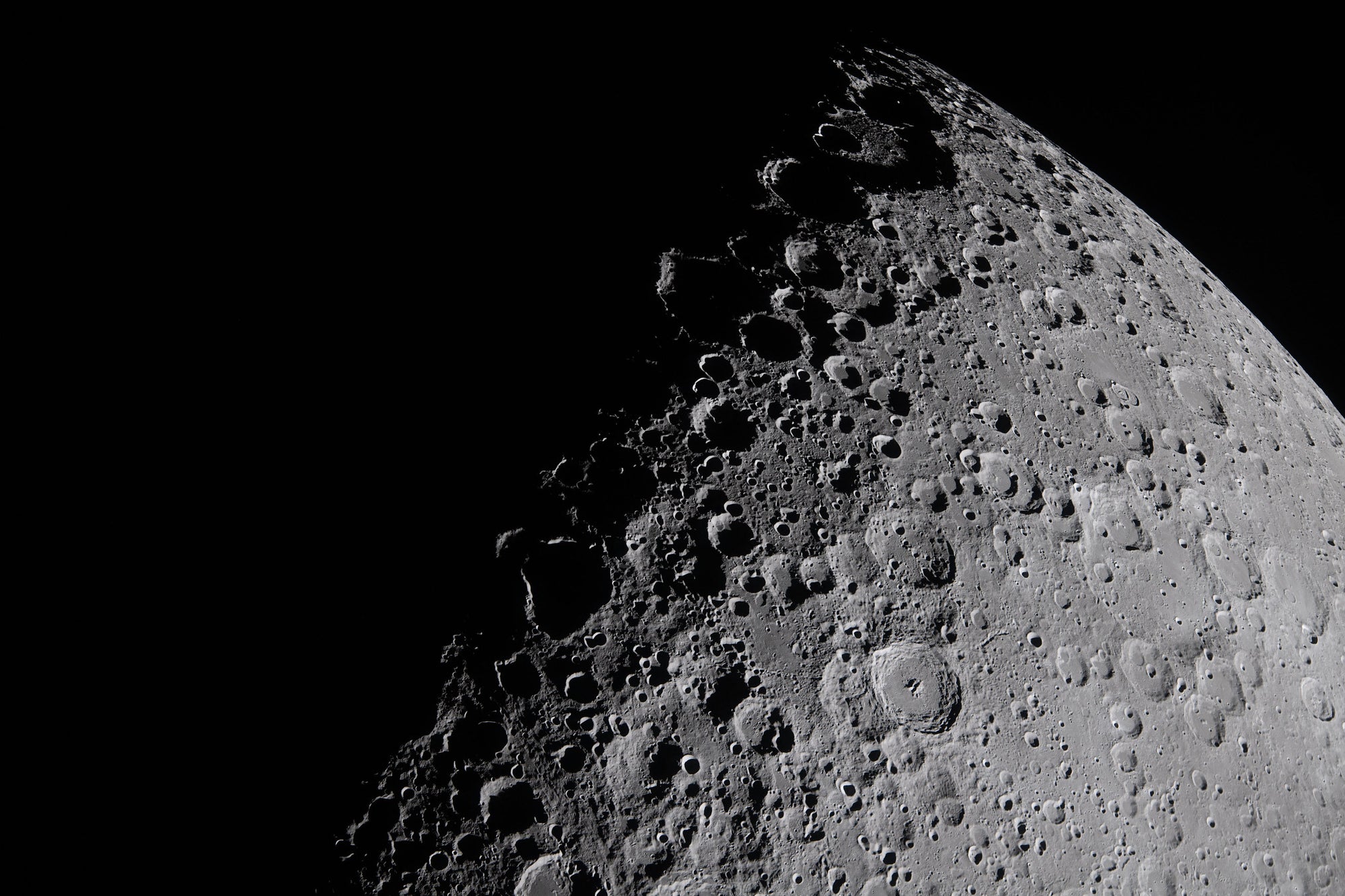
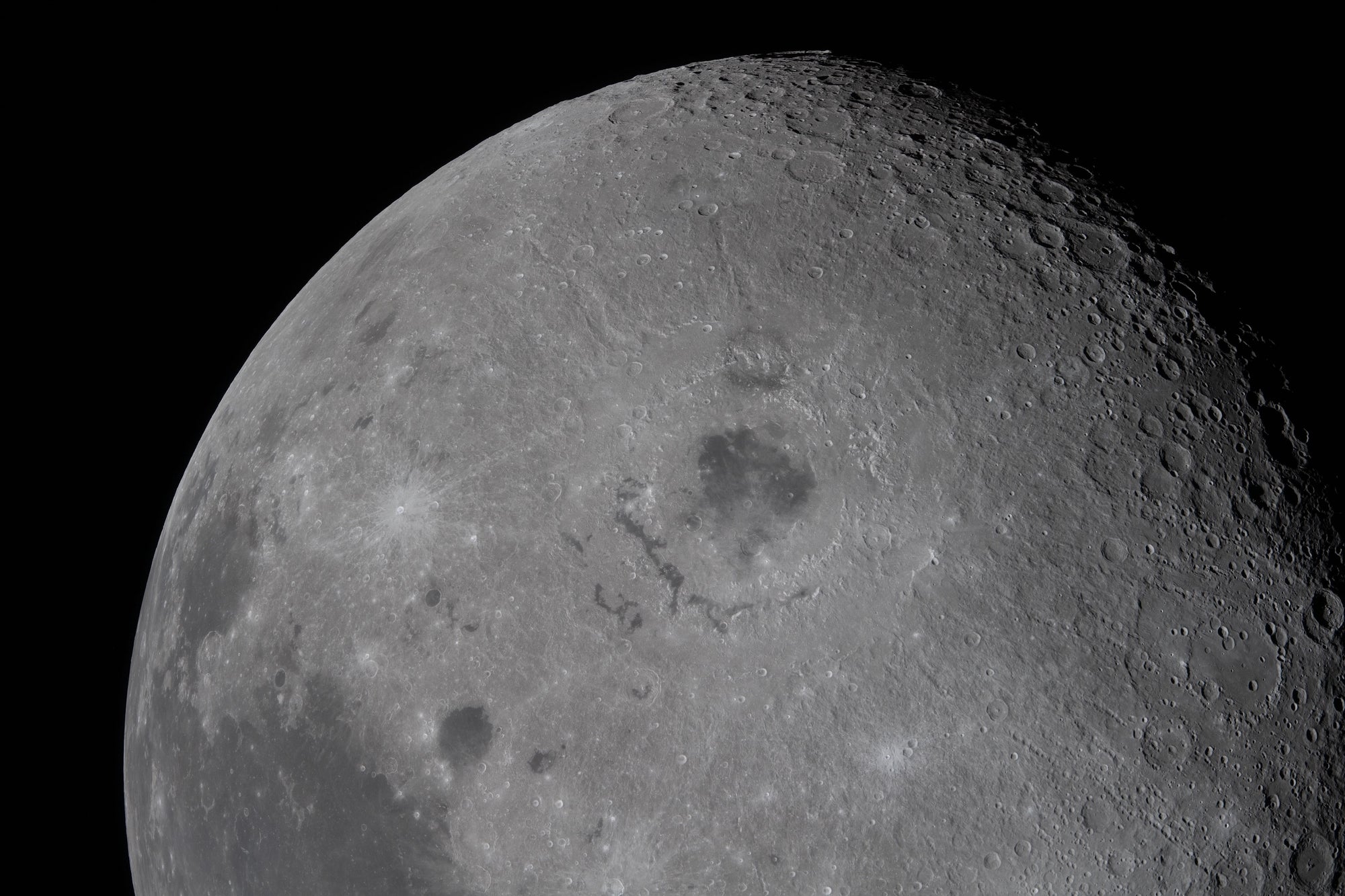
The crew talked to Artemis II science officer Kelsey Young throughout the entire flyby, barring a 40-minute period during which the spacecraft was behind the moon and out of reach of radio signal. Young and her team had created a detailed guide of the lunar features that the astronauts were to focus on. One of them was the Orientale Basin, the large, multiringed crater at the center of the image below.
And although the crew had traveled 252,756 miles (406,771 kilometers) away from their terrestrial home, they couldn’t look away from it. They clearly enjoyed seeing the bright crescent of Earth and the way that it appeared so small from their perspective as they traveled around the moon.
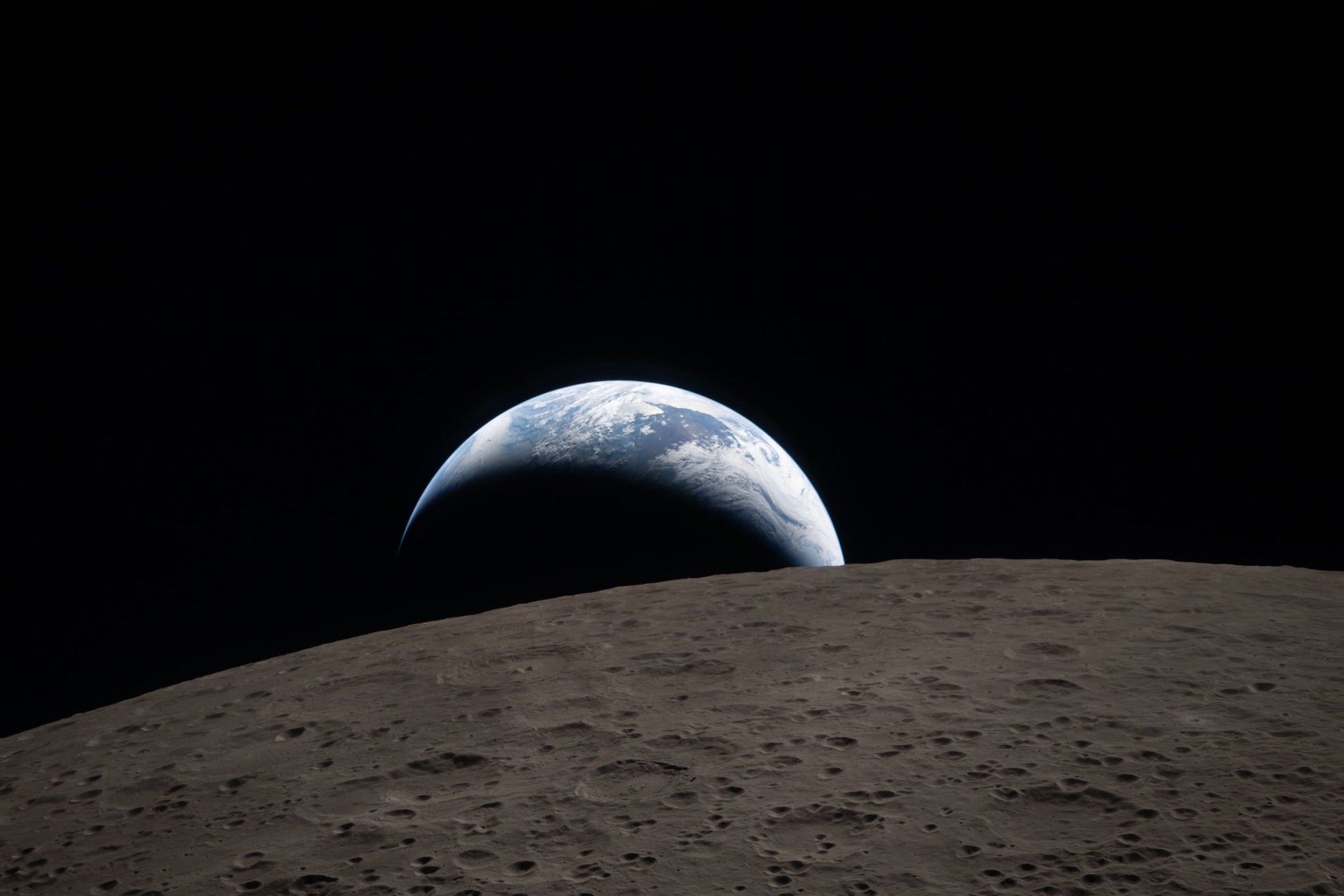
The crew also captured an “Earthrise” moment to match Earthset, with our planet’s crescent bitten away by the gentle curve of the moon.
NASA’s Johnson Space Center is posting images from the flyby to its Flickr account, and we will continue sharing them as they become available.
Editor’s Note (4/7/26): This is a developing news story and will be updated.
It’s Time to Stand Up for Science
If you enjoyed this article, I’d like to ask for your support. Scientific American has served as an advocate for science and industry for 180 years, and right now may be the most critical moment in that two-century history.
I’ve been a Scientific American subscriber since I was 12 years old, and it helped shape the way I look at the world. SciAm always educates and delights me, and inspires a sense of awe for our vast, beautiful universe. I hope it does that for you, too.
If you subscribe to Scientific American, you help ensure that our coverage is centered on meaningful research and discovery; that we have the resources to report on the decisions that threaten labs across the U.S.; and that we support both budding and working scientists at a time when the value of science itself too often goes unrecognized.
In return, you get essential news, captivating podcasts, brilliant infographics, can’t-miss newsletters, must-watch videos, challenging games, and the science world’s best writing and reporting. You can even gift someone a subscription.
There has never been a more important time for us to stand up and show why science matters. I hope you’ll support us in that mission.