Stunning images reveal a massive coral reef for the first time in more than a century
These incredible corals form what may be one of the world’s largest reef systems—and researchers have a plan to restore it
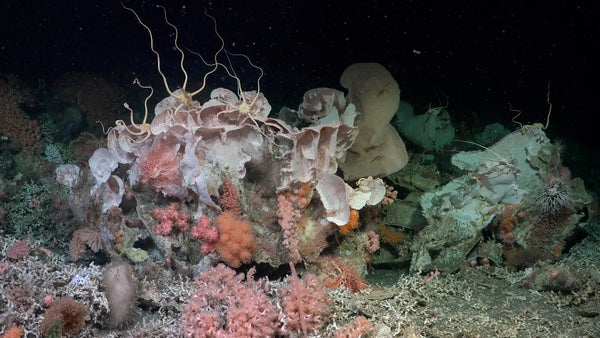
Hiding at the bottom of the ocean, deep-sea corals have a much different way of life than those closer to the surface—and right now, it’s a healthier one.
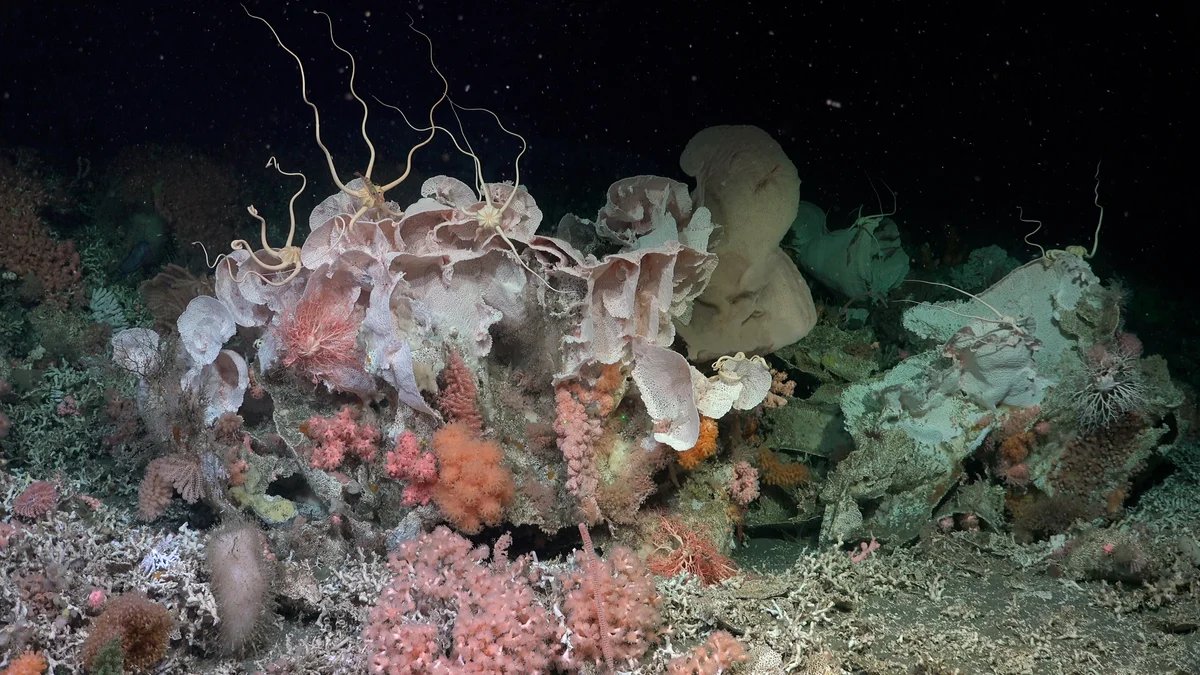
Hidden on the ocean floor off the coast of Argentina is a coral colony that is absolutely bursting with life. Researchers have known of its existence for more than a century, but no one had ever seen it—until now.
Scientists have finally laid eyes on the stunning ecosystem—and they’re determined to save it. Researchers conducted two expeditions with the Schmidt Ocean Institute in 2025 to image the ocean floor. One in July and August took scientists to Mar Del Plata Submarine Canyon, which is estimated to be more than 3,500 meters deep and as large as South Africa. The other expedition in December and January captured photos of other areas along the Argentine coast.
“I’ve never seen such a lush environment,” says Santiago Herrera, a deep-sea biologist at Lehigh University, who took part in the July expedition. “There’s so much life, and it’s so abundant that you can lose perspective on where you are. A kilometer deep in the South Atlantic, if you didn’t know any better, you could picture being somewhere tropical.”
On supporting science journalism
If you’re enjoying this article, consider supporting our award-winning journalism by subscribing. By purchasing a subscription you are helping to ensure the future of impactful stories about the discoveries and ideas shaping our world today.
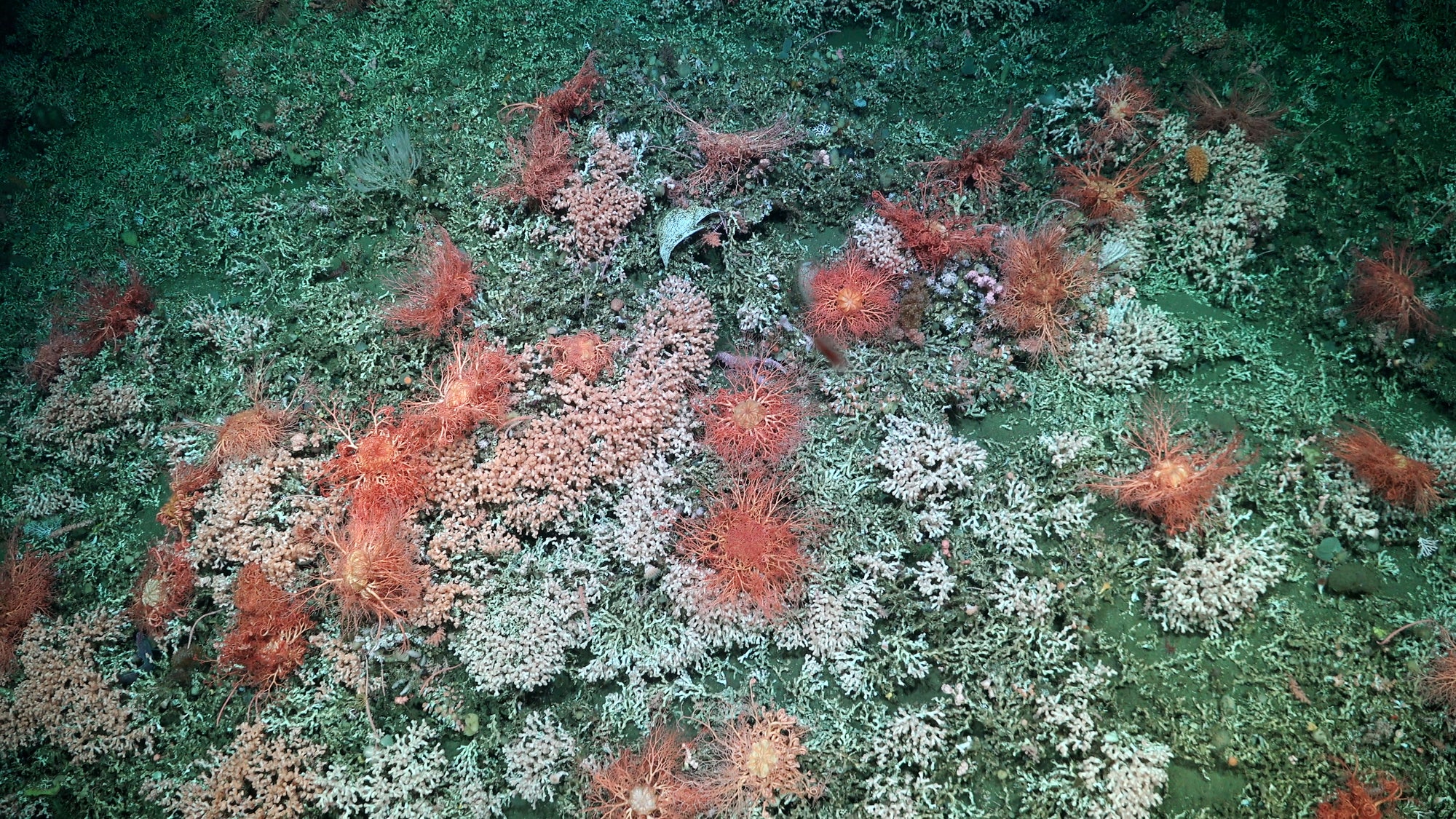
Basket stars perch on top of hard corals as they filter feed together.
Unlike shallow-water coral reefs, deep-sea coral colonies live in complete darkness. They filter feed on the detritus that falls from the surface rather than on the sugars produced by symbiotic plants, and many form huge mounds at the bottom of the ocean. But much like other corals, those born in the darkness can be brightly colored.
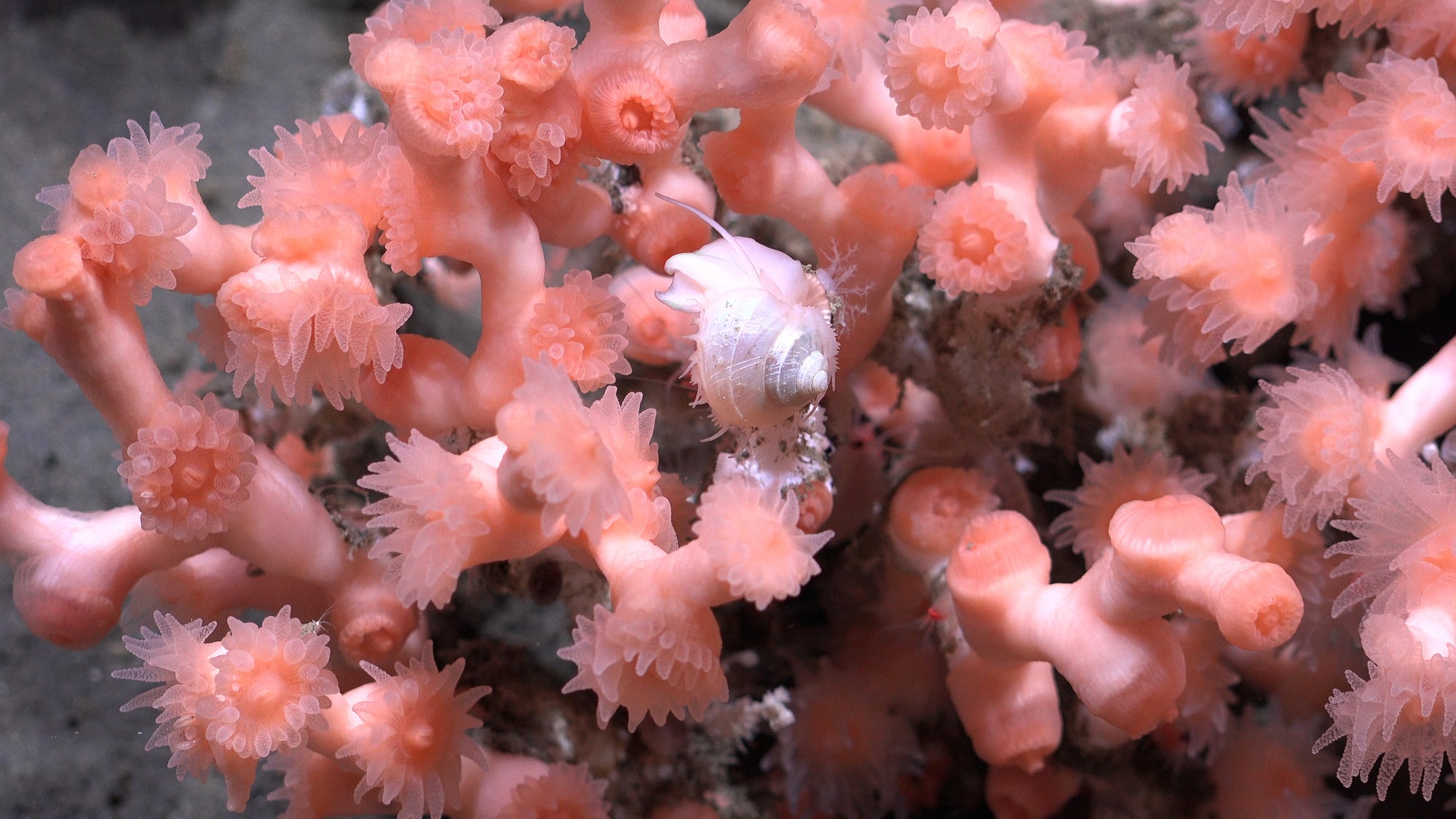
Small animals take shelter in lush coral colonies.
And like more tropical water corals, these ecosystems are also sensitive to changes in water temperature and acidity. But in the isolation of the seafloor, deep-sea corals have largely escaped the worst of these changes so far, offering researchers a chance to see what a thriving coral community really looks like.
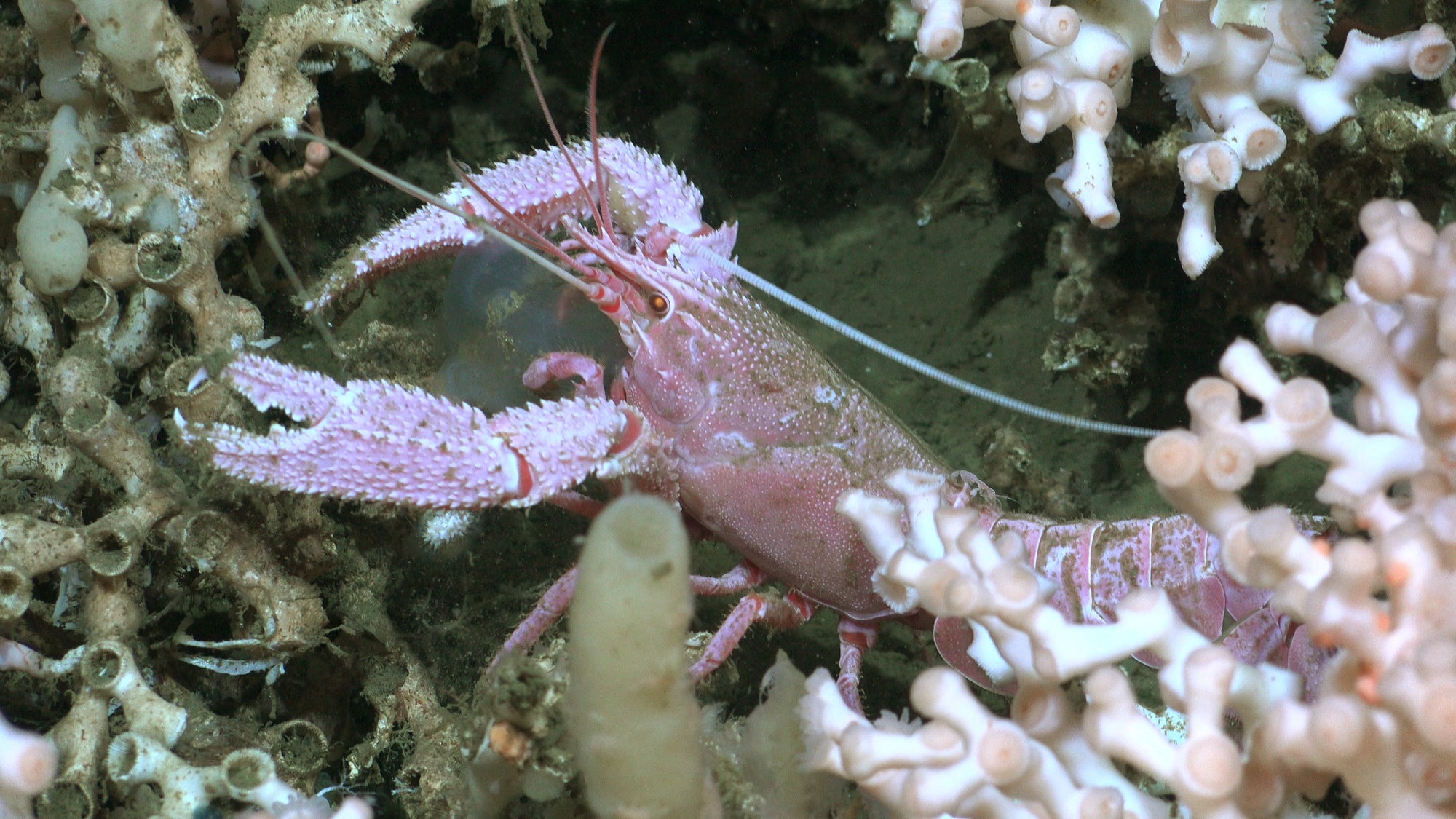
A Barbie-pink lobster nearly blends in among pale pink corals.
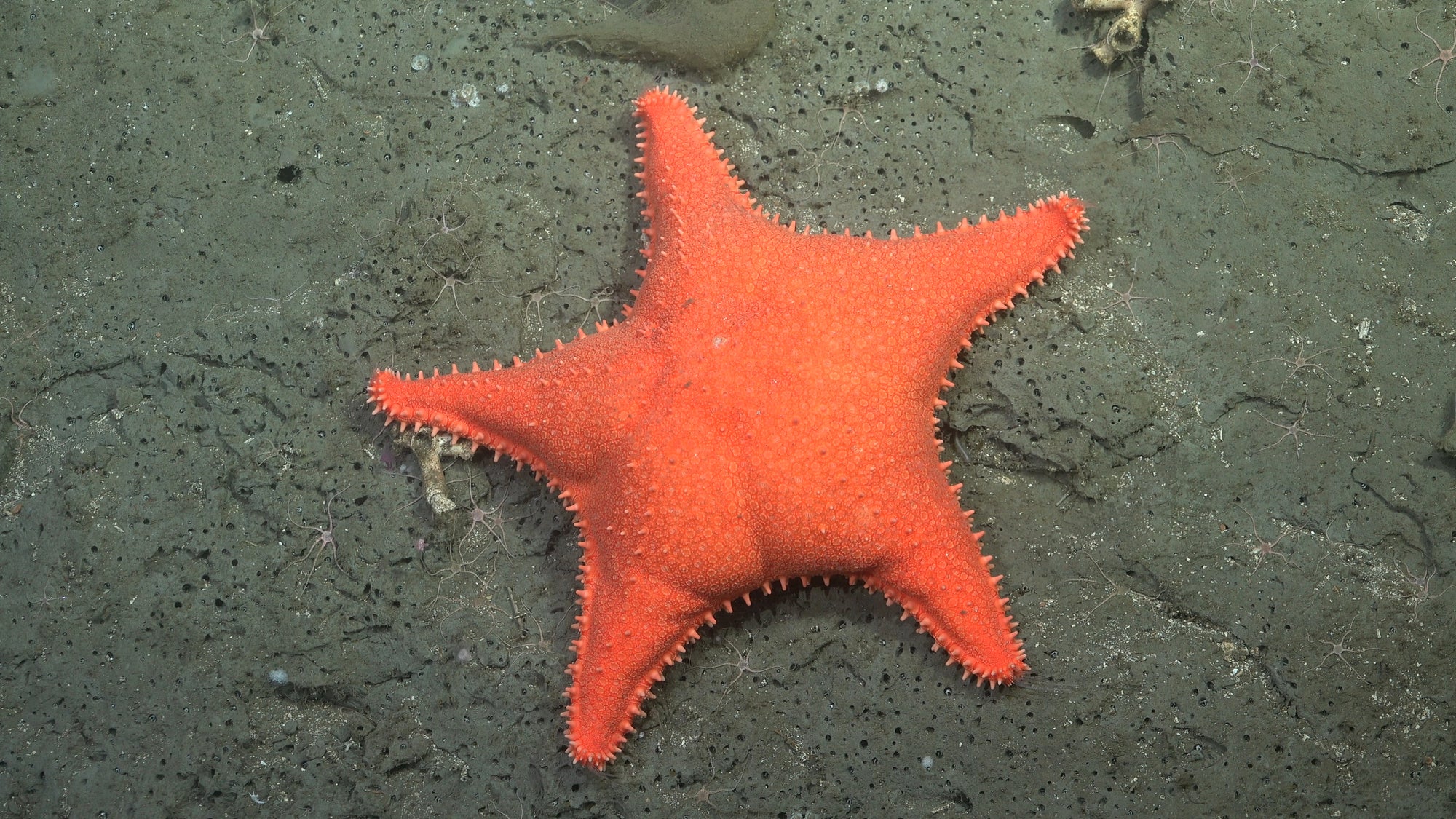
Many viewers thought this sea star resembled the SpongeBob SquarePants character Patrick Star.
The research vessels were equipped with cameras that live streamed videos of the seafloor to streaming platforms YouTube and Twitch—and the videos went viral in Argentina. At its peak, the summer 2025 live stream had more than 92,000 viewers, and it won a Martín Fierro Award—an Argentine award similar to an Emmy—for best video stream, says Daniel Lauretta, chief scientist on the expedition’s summer cruise and a researcher at Argentina’s National Scientific and Technical Research Council (CONICET). Establishments such as gas stations, grocery stores and nightclubs started playing the videos. Viewers on the live stream, meanwhile, chatted excitedly about unusual species, including a sea star that resembled Patrick Star from the cartoon Spongebob Squarepants.
“When people saw that sea star, they went crazy,” Lauretta says. “Probably that was one of the reasons why the cruise went viral.”
Using DNA collected during the expeditions, researchers will be able to better categorize deep-sea species. After the summer cruise, taxonomists on board also made a list of at least 40 unidentified animals that may prove to be entirely new species.
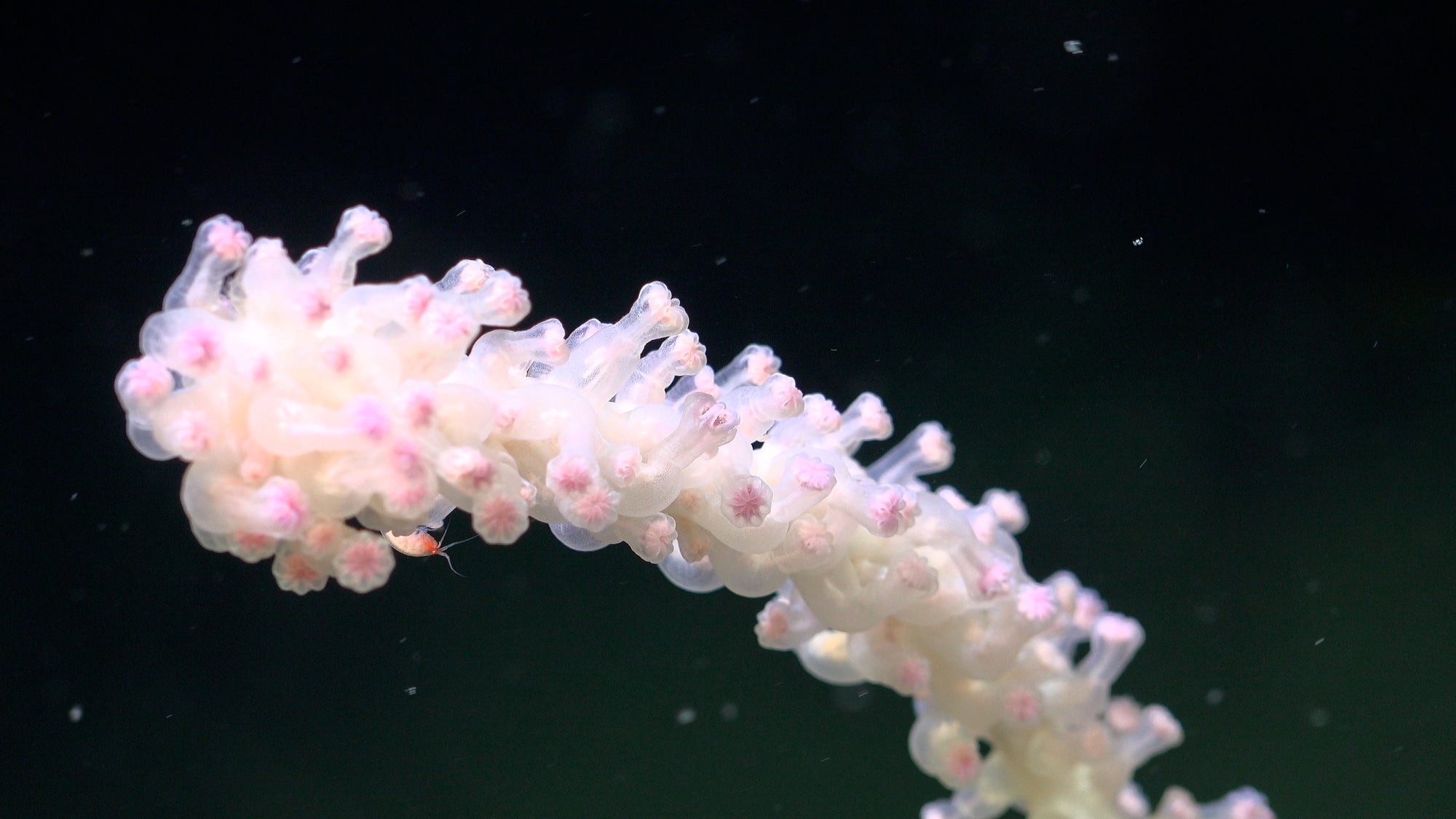
Scientists are finally getting a better look at deep-sea species.
As they continue their research, some of the scientists on the expedition are also working to safeguard the health of the newly revealed ecosystem. They made artificial corals out of concrete and aragonite, which together create a structure akin to corals’ skeletons. The hope is that living corals—the tiny polyp-shaped creatures that grow in colonies within these skeletons—will populate the artificial structures.
“People just haven’t really done this in the deep sea, and so we’re sort of making it up as we go along, borrowing a lot of ideas from shallow-water coral restoration,” says Erik Cordes, an ecologist and chair of the department of biology at Temple University.
“That’s been shown to be a good way of restoring shallow-water corals at a faster rate,” adds Konrad Hughen, a senior scientist researching corals at the Woods Hole Oceanographic Institution, who was not involved in the expeditions.
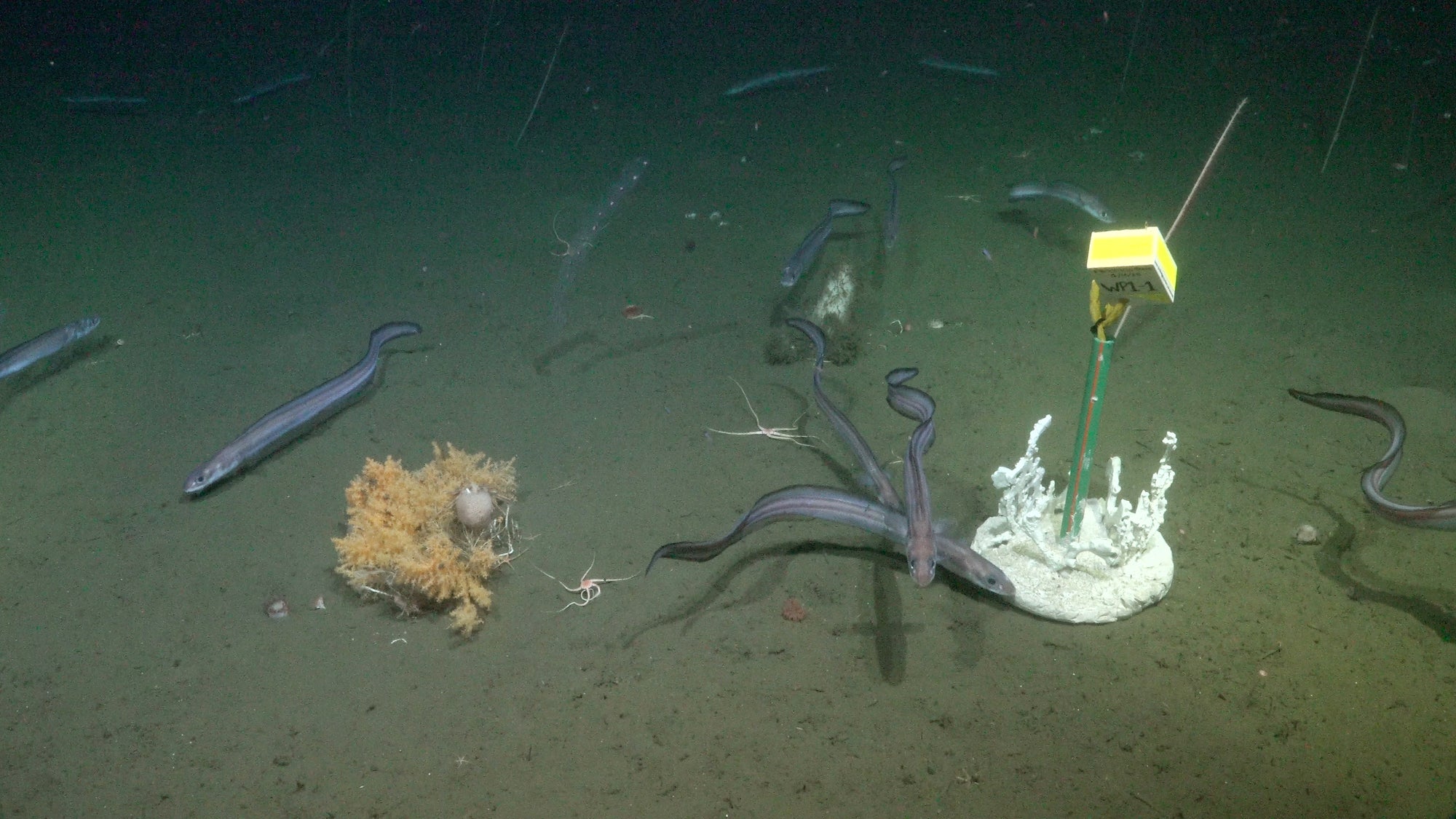
Eels swarm around one of the artificial coral skeletons left by researchers.
The researchers are planning a future expedition to check on the artificial corals they placed off the coast of Argentina, and they hope to soon explore more of this massive reef system—the full extent of which is still unknown.
“We still have a chance to do conservation instead of restoration,” Lauretta says. “And this is crucial because it’s much easier and simplest to protect rather than to restore, especially in the deep sea.”
It’s Time to Stand Up for Science
If you enjoyed this article, I’d like to ask for your support. Scientific American has served as an advocate for science and industry for 180 years, and right now may be the most critical moment in that two-century history.
I’ve been a Scientific American subscriber since I was 12 years old, and it helped shape the way I look at the world. SciAm always educates and delights me, and inspires a sense of awe for our vast, beautiful universe. I hope it does that for you, too.
If you subscribe to Scientific American, you help ensure that our coverage is centered on meaningful research and discovery; that we have the resources to report on the decisions that threaten labs across the U.S.; and that we support both budding and working scientists at a time when the value of science itself too often goes unrecognized.
In return, you get essential news, captivating podcasts, brilliant infographics, can’t-miss newsletters, must-watch videos, challenging games, and the science world’s best writing and reporting. You can even gift someone a subscription.
There has never been a more important time for us to stand up and show why science matters. I hope you’ll support us in that mission.